
It usually starts the same way. You want to eat better, lose some weight, feel more in control, and stop overthinking every meal. Then you open three tabs, compare five apps, read a flood of conflicting advice, and end up doing nothing because the whole process already feels like work.
That’s where Simple tries to win. It promises a calmer, less punishing way to build healthier habits, mostly through intermittent fasting, meal awareness, hydration, and steady coaching. This simple life app review looks at whether that promise holds up in real use, where the app helps, where it falls short, and whether paying for it makes sense.
The Search for a Simpler Path to Health
A lot of people don’t need more health information. They need less friction.
Most users already know the broad basics. Eat more whole foods. Stop grazing late at night. Pay attention to portions. Drink water. Move more often. The hard part isn’t understanding those ideas. It’s turning them into something repeatable on a busy weekday.
That’s why apps like Simple appeal to people who are tired of rigid plans. Instead of asking you to overhaul everything at once, it frames progress around a few manageable behaviours. For many people, that feels more realistic than a full diet reset.
Why this app catches attention
Simple is not a finance tool, despite the name. It’s a health and weight-loss app built around intermittent fasting and daily habit support.
What makes it attractive is the tone. It doesn’t present health as a test you either pass or fail. It presents it more like a routine you can return to, even after a rough day.
A health app works best when it reduces decision fatigue, not when it adds another layer of pressure.
For readers who are still sorting out the basics of better eating, this a simple guide to a healthier life is a useful companion read. It helps ground the bigger picture so the app doesn’t become your only source of direction.
What matters in this review
I’m looking at Simple from two practical angles:
- Habit-building: Does it make consistency easier, or does it just create another thing to manage?
- Value for money: Does the subscription feel like a worthwhile investment, or more like an avoidable recurring cost?
Those two questions matter more than flashy onboarding screens. If an app can’t fit into normal life, people stop using it. If the billing feels murky, trust drops fast.
What Is the Simple Life App and How Does It Work
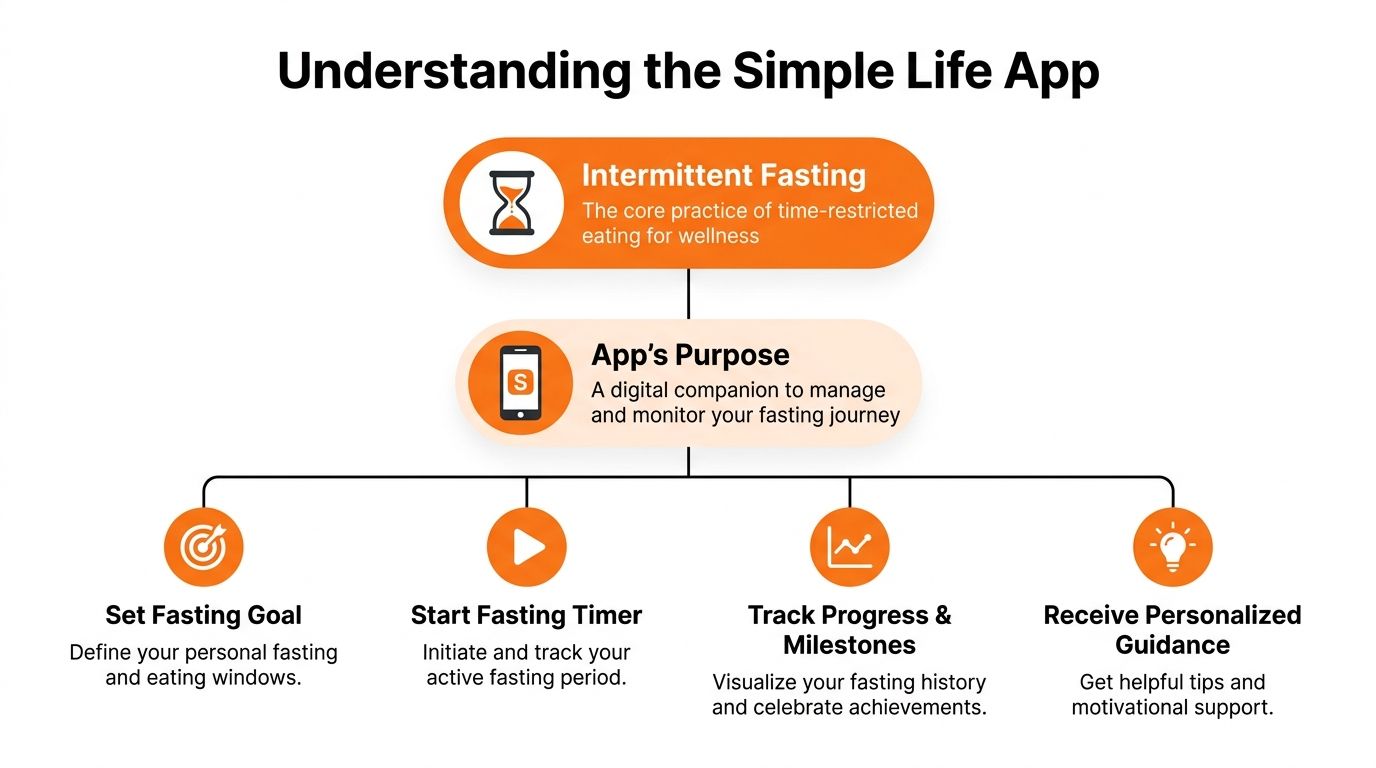
Simple is built around intermittent fasting, which usually means choosing an eating window and a fasting window rather than counting every calorie. In practice, that often looks like delaying breakfast, stopping late-night snacking, or creating clearer boundaries around eating.
Simple doesn’t push extreme fasting by default. Its design uses a more conservative range of 12 to 16 hour fasting windows, which makes it feel more approachable for beginners. That matters, because a plan only works if someone can repeat it.
Here’s the structure at a glance:
The app is designed to lower mental effort
One of Simple’s smartest choices is that it pulls fasting, food awareness, hydration, movement, and weight into one interface instead of scattering them across separate tools. That unified setup is meant to reduce cognitive load and support habit sustainability.
That sounds technical, but its practical effect is simple. When everything sits in one place, users don’t have to keep switching contexts. They can check in quickly and move on with their day.
Gentle nudges beat guilt
Simple’s behavioural style is one of its biggest strengths. It avoids a harsh, corrective tone and doesn’t treat one off-plan meal as failure.
That matters more than many people realise. Health apps often lose users because they trigger the all-or-nothing pattern. Someone misses one target, feels behind, then abandons the app. Simple’s softer structure tries to interrupt that cycle before it starts.
Practical rule: If an app makes you feel judged after a normal human day, it’s probably not built for long-term use.
What using it feels like
The basic flow is straightforward:
- Pick a fasting window that matches your routine.
- Start the timer and let the app guide the fasting period.
- Log meals and habits without needing an overly detailed process.
- Review progress through simple check-ins rather than constant analysis.
That approach won’t satisfy everyone. People who want deep biometrics or highly detailed macro planning may find it too light. But for users who need a structure they can stick with, the simplicity is the point.
The same reason people like a clean health dashboard is why many also prefer a clean money dashboard. If you like tools that reduce noise and answer practical questions quickly, Finny, Fintrack’s personal finance assistant follows a similar logic on the financial side.
A Deep Dive into Simple Life’s Key Features
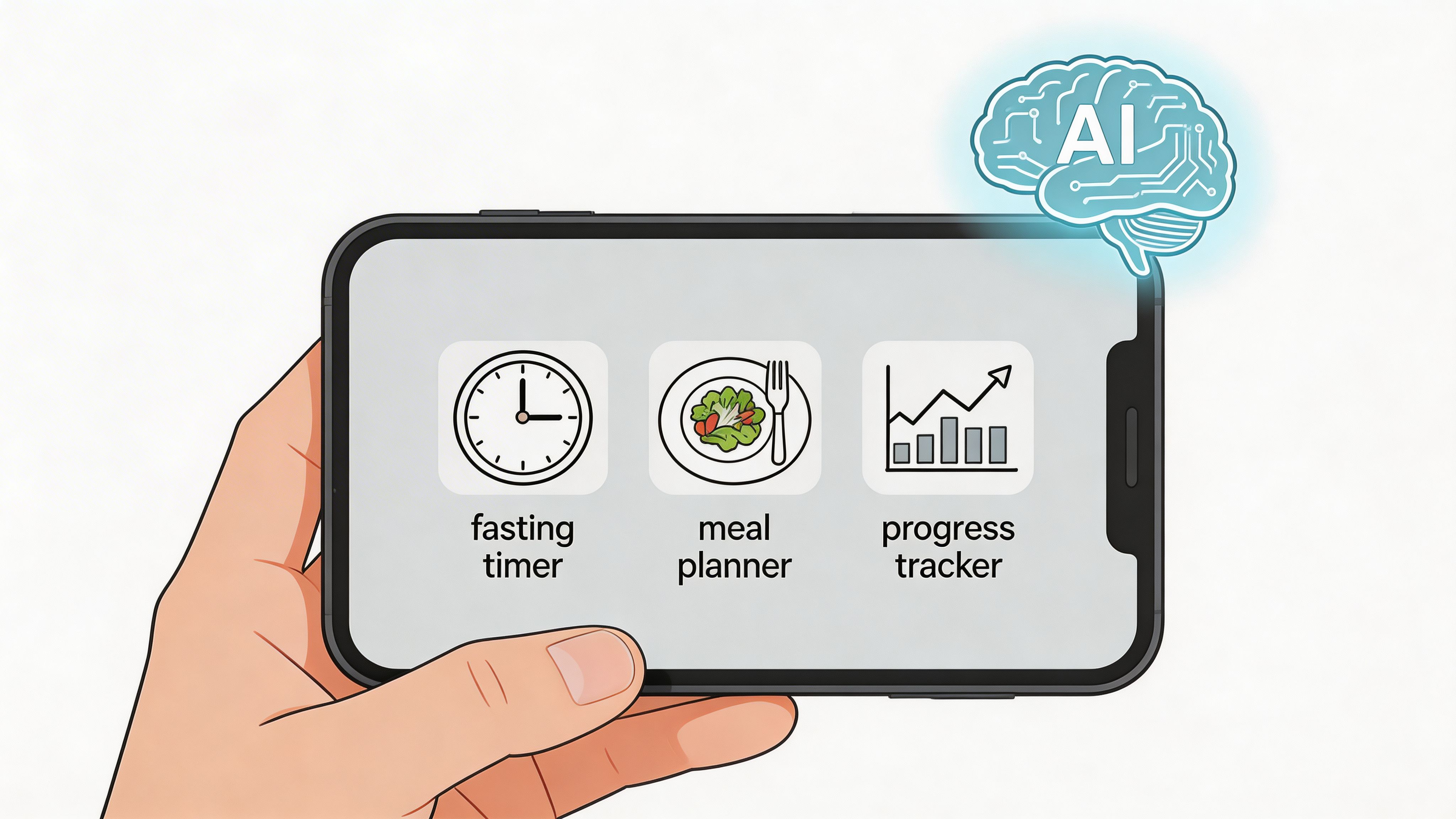
The best way to judge Simple is to look at what you do inside the app on a normal day. Its feature set isn’t huge in the “everything app” sense. It’s focused.
That focus helps. Many users don’t need twenty dashboards. They need a few tools they’ll use without resistance.
Fasting timer
This is the anchor feature. You set your fasting schedule, start the timer, and let the app track where you are in the cycle.
In real use, the benefit isn’t just timing food. It’s creating a visible boundary. A lot of snacking happens because there’s no clear start or stop. The timer makes the day feel more organised.
What works:
- Clear structure: It gives your eating routine an obvious rhythm.
- Low effort: Once set, it doesn’t demand much attention.
- Flexible tone: It doesn’t feel punitive when life interrupts the plan.
What doesn’t:
- Limited depth: Advanced users may want more customisation.
- Routine dependence: If your schedule changes often, even a simple fasting plan can feel awkward.
Food logging and Nutrition Score
Simple includes food tracking, but it leans toward awareness rather than obsessive detail. The logging experience is designed to feel light, and the app uses tools like natural language input and a Nutrition Score to help users assess meal quality.
That’s useful for people who hate traditional food diaries. Logging doesn’t feel like accounting. It feels more like a quick reflection.
Hydration and movement prompts
These features sound minor, but they support the app’s habit-building philosophy. Water intake and movement are folded into the same environment as fasting and food, which keeps the whole routine connected.
For many users, that’s enough. They don’t need a dedicated fitness app layered on top of a nutrition app layered on top of a fasting app. They just need reminders that reinforce healthier decisions.
The app is strongest when it acts like a light guide in the background, not a demanding supervisor.
Progress tracking
Simple also includes progress tools such as weekly logging and trend views. These help users see whether the routine is working over time instead of reacting emotionally to a single day.
This matters psychologically. Slow change is easier to tolerate when there’s a visible record that something is moving in the right direction.
AI coaching and guidance
The app also leans on coaching-style prompts and educational content. That support can be helpful when motivation dips, especially for beginners who aren’t sure whether they’re doing enough.
The best version of this feature is not “AI knows everything.” It’s “AI helps me keep going without overcomplicating the process.”
For readers who like that sort of plain-language guidance in other parts of life too, an AI assistant for everyday decisions shows why conversational tools can work well when they save time rather than create extra admin.
Real-World Results Does Simple Work
The short answer is yes, for the kind of user it’s built for.
A study analysing user data found that many Simple users achieved at least 5% body weight loss, which is a clinically significant threshold for reducing health risks. The effect was strongest in the first six months, and higher app engagement was linked to greater weight loss (Simple Life study summary).
That doesn’t mean the app causes results by itself. It means the structure appears useful when people use it. That distinction matters.
What the result really tells you
A clinically meaningful change is more important than dramatic marketing claims. Simple seems to do well when users keep showing up, logging enough to stay aware, and using the app as a routine anchor rather than a temporary challenge.
What I take from that is practical:
- Beginners can get traction without learning a highly technical diet system.
- The first stretch matters most because routines are still forming.
- Engagement matters because the app isn’t magic. It supports behaviour. It doesn’t replace it.
What users should expect
Simple is best viewed as a consistency tool. It helps people create better meal timing, increase awareness, and avoid the common spiral of “I messed up, so I’ll restart next week.”
That’s why the psychology matters as much as the features. Users who respond well to gentle accountability are more likely to benefit than users who want strict coaching or detailed performance analytics.
If you want a health app to remove some friction from daily decisions, Simple has a good chance of helping. If you want precision coaching for athletic performance, it may feel too soft.
The app also seems more realistic for people whose goals are broad and sustainable. Think better routines, steadier weight loss, less chaotic eating. Not aggressive short-term transformation.
Pricing Plans and Is the Premium Version Worth It
Price matters more with health apps than many companies admit. A plan can be helpful and still not be worth the subscription for your situation.
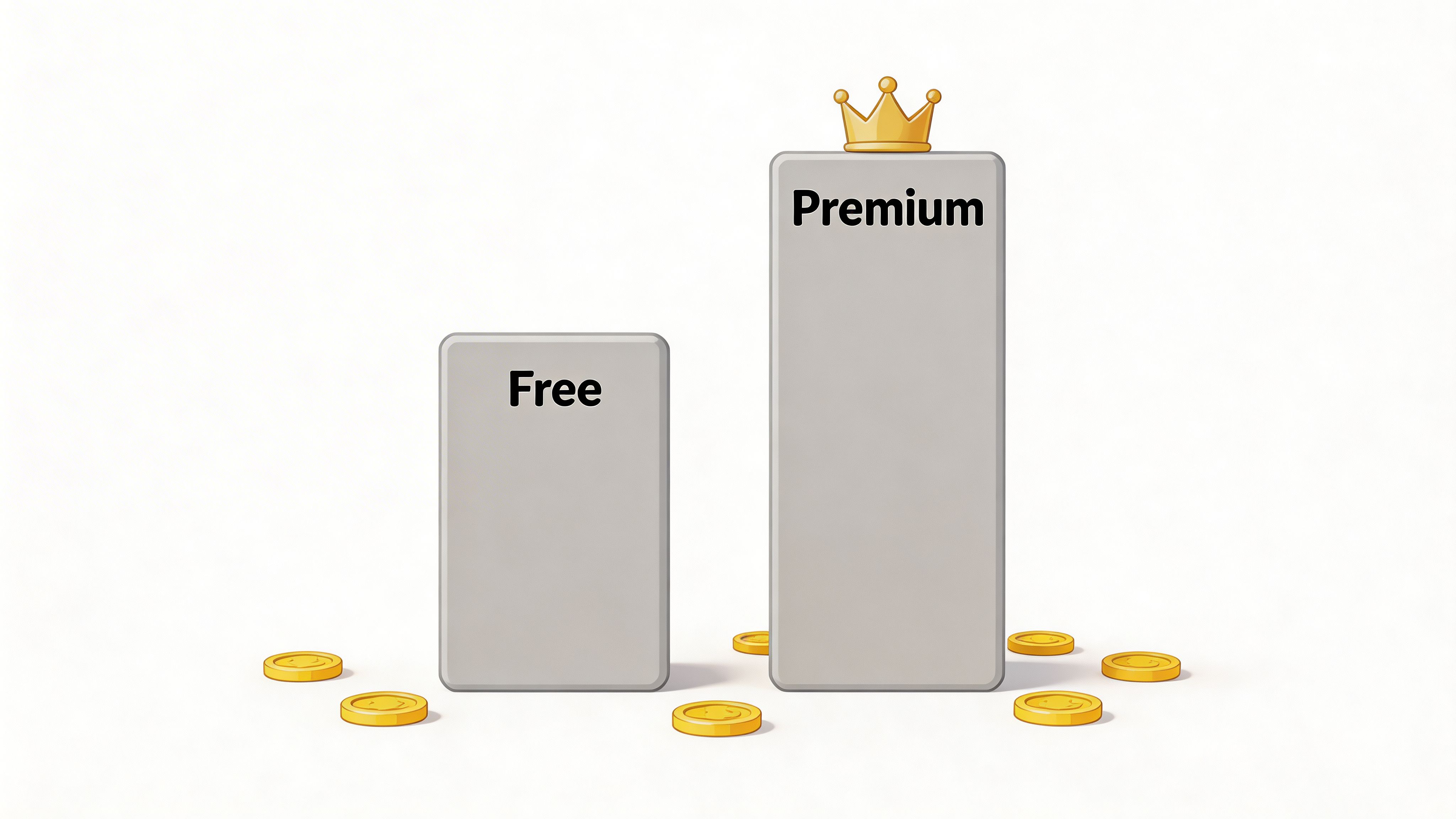
Simple’s premium pricing can cost around $15/month or $50/year. It also has a 4.3-star Trustpilot rating, and while 75% of feedback is positive about the app experience, 15% of mentions highlight billing issues, including unexpected recurring charges after a free trial (review summary and pricing details).
When the subscription makes sense
The premium version is easiest to justify if you know two things are true:
- You’re more likely to follow through when you pay for structure.
- You’ll open the app consistently.
For some people, paying for a focused health tool is a useful commitment device. A modest annual cost can be reasonable if it replaces scattered experiments, random diet purchases, or the cycle of starting over every month.
When it probably isn’t worth it
The biggest caution isn’t the sticker price. It’s the billing experience.
If you’re the kind of person who signs up quickly, forgets renewal dates, or tends to trial multiple wellness apps at once, you need to exercise caution. The value of any subscription drops fast when cancellation feels confusing or charges catch you off guard.
A simple rule helps here:
- Read the plan terms before upgrading
- Set a reminder before any renewal point
- Check your bank or card statements after sign-up
That’s especially important for recurring app charges. If you want a cleaner way to monitor subscriptions and spot unwanted renewals, Fintrack’s pricing page is a useful starting point for deciding whether a separate money tool fits your setup.
Simple Life App Strengths and Weaknesses
Simple isn’t hard to understand. Its trade-offs are fairly clear once you’ve used it for a bit.
Where it performs well
- Beginner-friendly design: The app feels accessible from day one. It doesn’t bury basic actions behind a complicated setup.
- Strong habit psychology: Its gentle nudges support consistency better than shame-based tracking systems.
- Low-friction logging: Food, hydration, movement, and fasting live in one place, which makes daily use feel manageable.
- Supportive tone: The app is better at encouraging users than policing them.
Where it struggles
- Billing concerns: Subscription complaints are a real part of the app’s reputation and shouldn’t be brushed aside.
- Limited appeal for advanced users: People who want deeper nutrition analytics or sport-focused planning may outgrow it.
- Free-tier frustration: If the parts you want most sit behind premium access, the free experience can feel more like a preview than a tool.
- Lifestyle mismatch for some users: People with highly irregular schedules may find fasting harder to maintain even with a well-designed app.
Simple works best when your biggest problem is inconsistency, not lack of technical nutrition knowledge.
There’s also a customer experience angle. Good apps need clear support when users hit account, billing, or usability issues. If that part matters a lot to you, it’s worth comparing what responsive feedback and support features look like in other apps before subscribing to anything long term.
Alternatives to Simple Life A Quick Comparison
Simple sits in a crowded category. That’s useful for readers, because it means you don’t have to force a fit if the app’s style doesn’t match how you live.
Some competitors lean more heavily into fasting timers and streaks. Others broaden out into wellness or productivity habits. If you like comparing systems before committing, this round-up of best personal productivity apps to streamline your life is helpful because it shows how different apps handle routine-building from different angles.
A quick market view
Apps like Zero and Fastic tend to come up in the same conversation as Simple. The main difference isn’t just feature count. It’s emphasis.
Simple leans into supportive guidance and habit sustainability. Some alternatives feel more timer-centric, more community-led, or more gamified.
| App | Primary Focus | Best For | Pricing Model |
|---|---|---|---|
| Simple Life | Intermittent fasting and habit support | Beginners who want gentle guidance | Premium subscription |
| Zero | Fasting timer and tracking | Users who want a more fasting-centred experience | Free and premium options |
| Fastic | Fasting with broader wellness motivation | Users who like a more motivational style | Free and premium options |
One caveat worth noting
There’s also a regional fit issue. A Kimola report notes a lack of region-specific effectiveness data, and Google Play reviews from California showed an 18% dropout rate citing “unrealistic for busy lifestyles,” which was higher than the national average in that analysis (Kimola report).
That doesn’t prove the app fails in busy regions. It does suggest that some users with demanding schedules may find even a well-designed fasting routine hard to maintain.
For couples trying to build routines together, that lifestyle fit question matters even more. Shared schedules, work hours, and meal timing can make or break adherence, which is why tools built for coordination, like budget planning for couples, tend to work best when both people can use them in real life.
Final Verdict Who Should Use the Simple Life App
Simple is a good fit for beginners to intermittent fasting, people who want a calmer relationship with habit tracking, and users who benefit from steady prompts instead of hard pressure.
It’s a weaker fit for people who need advanced nutrition data, highly customised planning, or total confidence that billing and cancellation will be friction-free.
Overall, this simple life app review comes down to one point. If you want a supportive structure you can realistically follow, Simple is worth considering. If you want precision and depth, you’ll probably want a different tool.
Frequently Asked Questions
Is the Simple Life app free to use
There may be some access without paying, but the app’s core value appears tied to premium features. Many users will likely need a paid plan to get the full experience.
Is Simple only for weight loss
No. Weight loss is a major use case, but the app also supports meal awareness, hydration, movement, and routine-building. Some people may use it mainly to create more structure around eating.
Is the app good for intermittent fasting beginners
Yes. That’s one of its strongest use cases. The design is approachable, the fasting structure is conservative, and the tone is less intimidating than many health apps.
What’s the biggest downside to watch for
Billing clarity. Before subscribing, read the plan details carefully, track the renewal date, and make sure you understand how cancellation works.
If subscriptions, renewals, and recurring app costs tend to slip past you, Fintrack can help you keep them visible in one place. It’s a practical way to spot charges early, understand where your money is going, and decide whether a health app is earning its place in your monthly budget.