
Meta description: Learn how to use cash in envelopes, deposit leftover cash safely, and log it in your budget app without losing the discipline that made the system work.
You made it through the month with cash in envelopes. Groceries stayed in the grocery envelope. Dining out stopped when that envelope ran dry. Maybe your petrol money stretched further than expected, and your entertainment envelope still has a few notes in it.
Then the awkward part shows up. You're holding leftover cash, half-used envelopes, maybe a few scribbled balance notes on the back, and you need to decide what happens next.
Many people lose the thread at this stage. The envelope method gives strong spending discipline, but the handoff back into your bank account or budget app can feel messy. If you skip that step, your cash system starts living in one world while your bills, savings, and account balances live in another.
The Next Step for Your Cash Envelope System
If you've ever emptied your bag, wallet, or drawer and found several labelled envelopes with different amounts still inside, you already know the feeling. The hard part is done. You used the system the way it's meant to work, and it helped you stop spending when a category ran out.
The cash envelope system is a budgeting method where people withdraw physical cash and put it into labelled envelopes for spending categories like groceries, gas, and entertainment, with the rule that spending stops once the envelope is empty, as explained in this overview of the cash envelope system. That rule is exactly why the method works so well for variable spending.
What doesn't get enough attention is the exit strategy.
At some point, cash needs a destination. You may want to move leftover money into savings, cover an upcoming bill, or get the cash back into your account so your full budget is visible again. That isn't abandoning the system. It's keeping the system useful.
Practical rule: Physical envelopes help you control spending at the point of purchase. Digital records help you see the whole picture after the spending is done.
A good transition looks simple:
- Count what's left in each envelope
- Decide the job for that leftover money
- Deposit it safely
- Record it immediately so your budget stays accurate
This is especially helpful if you also track spending manually. A manual expense tracker gives cash users a clean way to keep records current even when purchases never touch a card.
The goal isn't to turn everything into an app-only routine. The goal is to keep the discipline of cash while gaining the security, convenience, and clarity that come from organised digital records.
How to Count and Prepare Your Cash for Deposit
Before you head to the bank or ATM, slow down and reconcile everything at home. A rushed deposit is how small errors turn into confusing budget mistakes later.
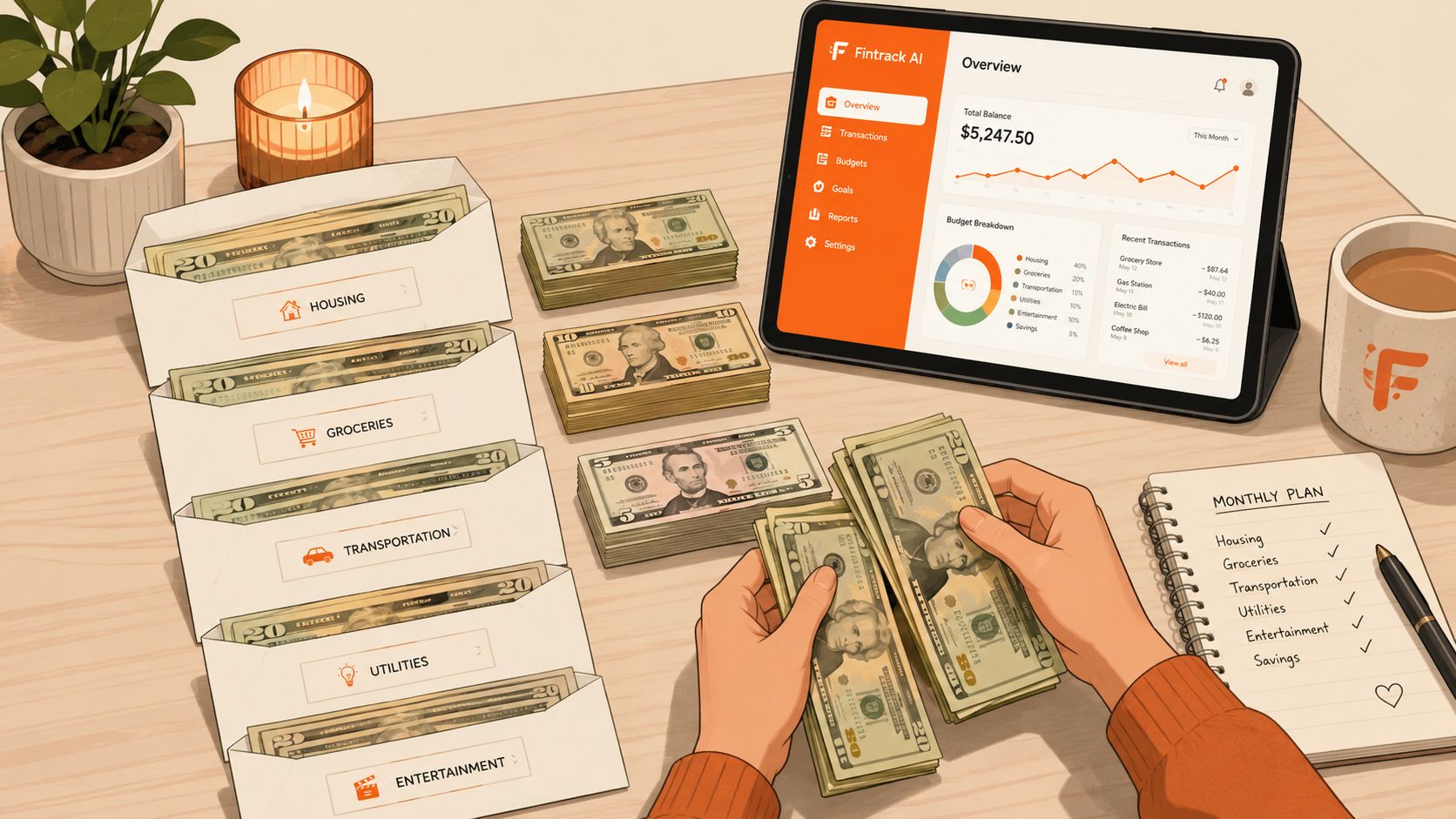
Start with one envelope at a time
Don't dump all your cash into one pile. Keep each category separate until you've confirmed the amount.
A simple sequence works best:
- Open one envelope only. Count the notes and coins inside.
- Check the written balance. If you've been tracking purchases on the envelope, compare the remaining cash with your running total.
- Set the money aside by purpose. If leftover grocery money is going back to chequing, place it in one stack. If entertainment leftovers are going to savings, create a different stack.
- Move to the next envelope.
If your counts don't match, pause there. Don't “fix” the number by guessing. Review recent purchases, receipts, or note entries first.
Sort cash the way the bank will want it
Most deposits go more smoothly when the cash is already tidy. Even if you're using an ATM, sorting helps you confirm your total before the machine does.
Use this quick checklist:
- Face bills the same direction so they're easier to recount
- Separate damaged notes in case you need a teller instead of an ATM
- Group by denomination to reduce counting mistakes
- Keep coins separate since some machines won't take them
- Write down the final amount before leaving home
If your envelope system has become a drawer full of loose notes and receipts, the deposit step is already telling you something. Your tracking rhythm needs tightening.
Decide the destination before the deposit
The bank transaction should match your budget plan, not create a new decision on the spot.
A short prep table can help:
| Leftover cash source | Best next move | Why it helps |
|---|---|---|
| Grocery or dining surplus | Savings or next month's category | Keeps extra cash from disappearing into general spending |
| Petrol or transport surplus | Leave for next cycle if spending varies | Reduces the need for another withdrawal |
| Gift or irregular expense cash | Move to a dedicated sinking fund | Preserves money for its intended job |
| Mixed leftovers with no clear purpose | Deposit to chequing, then assign digitally | Better than carrying vague “extra cash” around |
If you want a simple companion habit for setting aside extra money, this guide on a save money box routine pairs nicely with envelope budgeting.
Keep the trip low-risk
Cash is easiest to lose when you transport it casually. Use a plain envelope, wallet compartment, or deposit pouch. Go during normal banking hours if you can, and avoid announcing what you're carrying.
Small habits matter here. Deposit promptly. Don't let cash sit in your car, and don't leave it in a handbag you set down while running errands.
Depositing and Logging Your Money in a Budget App
The deposit itself is usually the easy part. The part people forget is the digital record right after.
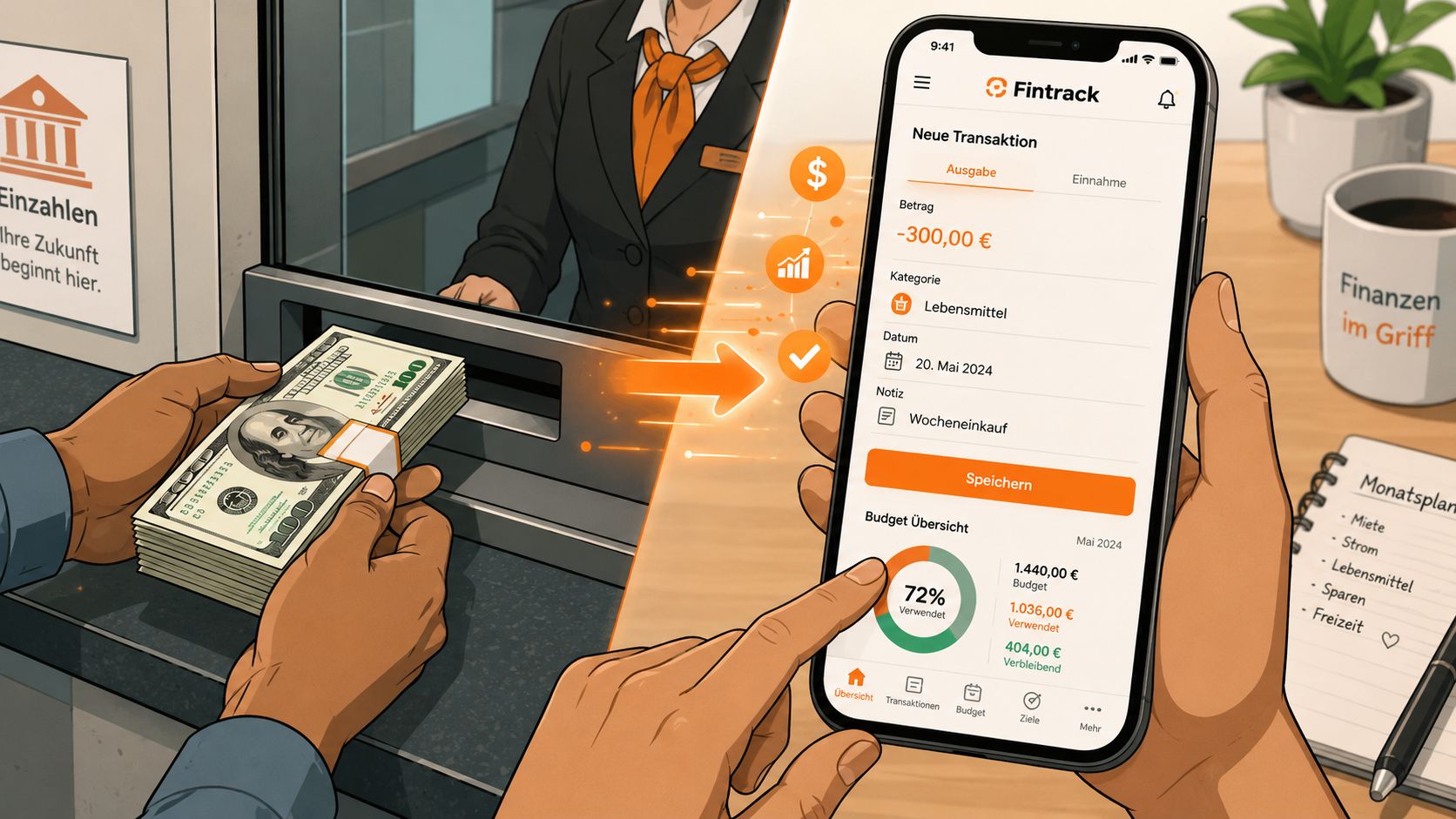
Make the bank deposit clean and boring
That's the standard to aim for. No mystery totals. No mixed purpose. No “I'll sort it out later.”
You have two common options:
- Bank teller if you have multiple bill types, coins, or want confirmation
- ATM deposit if your bank supports cash deposits and you want speed
If you're splitting money between accounts, such as chequing and savings, decide that before you start. Some people prefer one deposit into chequing and then a transfer inside online banking because it creates a clearer record. Others use separate deposit slips or teller instructions right away.
Bring your final counted amount with you. If the machine or teller total differs from your own count, don't brush it off. Stop and reconcile it while the transaction is still in front of you.
Log it immediately after the deposit
This is the habit that keeps your envelope method from drifting out of sync with the rest of your finances.
As soon as the deposit is complete, open your budget app and record what happened. Don't wait until the evening. Don't assume you'll remember which envelope balances were rolled over and which were deposited.
A practical manual entry might look like this:
- Transaction name Cash deposit
- Account Chequing or savings
- Amount The exact deposited amount
- Note Leftover envelope cash from groceries, petrol, and entertainment
- Category handling Mark it as a transfer or balance adjustment, depending on how your app structures cash movement
For many people in Canada, this manual step matters even more because not every budgeting setup relies on bank syncing. In the cash envelope system, you don't create envelopes for fixed expenses like rent or car payments, because those are better handled through automatic withdrawals. An app with manual entry, like Fintrack, helps Canadian users track those non-cash obligations without needing a bank connection, as noted in this explanation of how fixed expenses fit outside cash envelopes.
Turn physical envelopes into digital categories
Once the deposit is logged, assign the money a job inside your budget.
That might mean:
- rolling leftover grocery cash into next month's groceries
- moving unspent dining money to savings
- sending transport surplus toward a future irregular expense
- recording that entertainment money is now available for another goal
Many people realise that their old envelope labels can become cleaner digital categories. You still use cash where it helps you control spending, but your app becomes the place where every dollar's destination is visible.
A deposit without a matching log creates the same problem as spending from the wrong envelope. The money still moved. You just lost the trail.
If you want a closer look at building this routine, an expense tracking app guide can help you choose a setup that handles both cash and non-cash spending clearly.
Best Practices for Tracking Your Cash in Envelopes Digitally
The strongest hybrid system keeps the behaviour of envelopes and adds the visibility of digital tracking. You're not trying to make cash feel like a card. You're trying to make your records as disciplined as your spending.
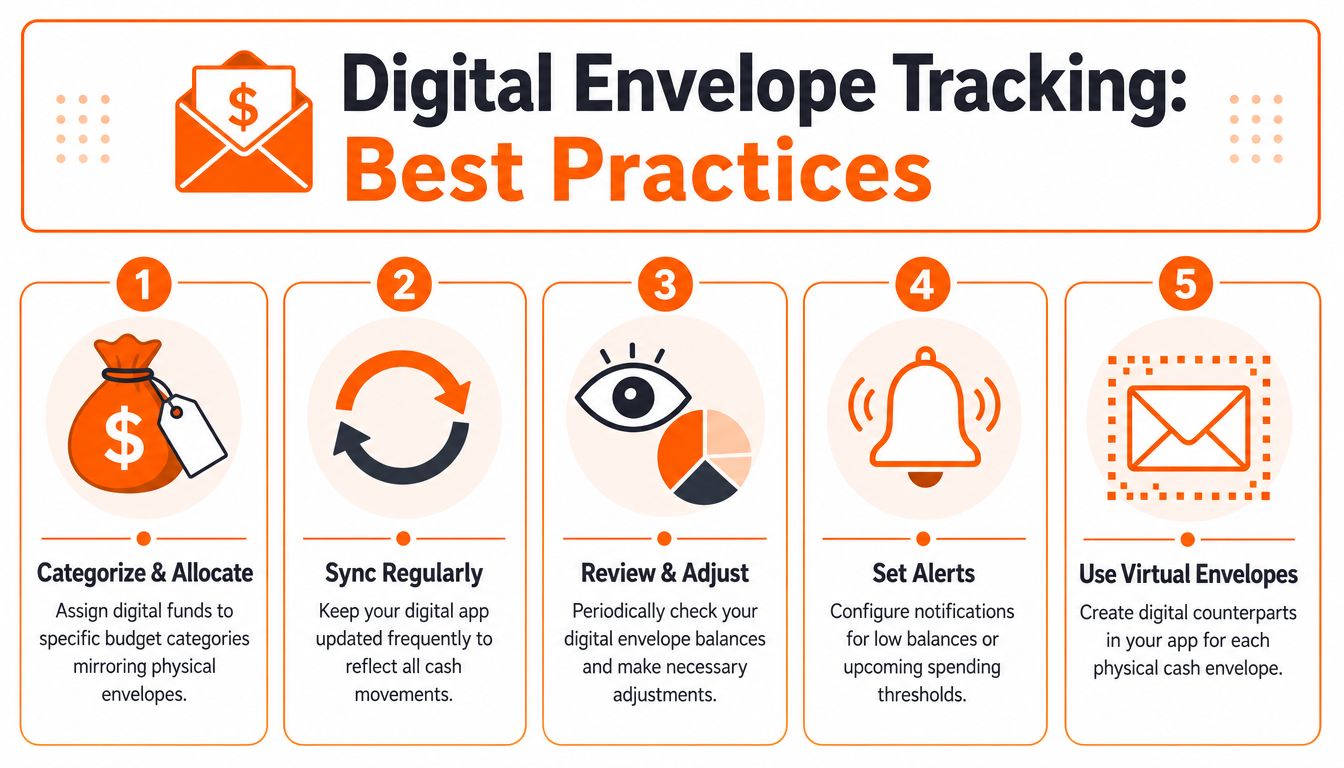
Build digital twins for your physical envelopes
If you use envelopes for groceries, fuel, eating out, and personal spending, keep those same categories in your app. Matching names reduces friction. You won't have to translate your own system every time you review it.
A clean digital setup usually works best when it follows the physical logic:
- Mirror the envelope names so category reviews stay obvious
- Separate fixed bills from envelope spending so your monthly picture isn't distorted
- Use notes for rollover decisions when leftover cash changes purpose
- Review balances often so small mistakes don't compound
This is also where digital support pays off. According to benchmark data, users who keep a digital companion log for their envelope system achieve 83% adherence to budget limits, compared with 61% for those who don't use a digital log, based on this benchmark on digital logging for envelope budgeting.
Keep the update rhythm simple
You do not need a complicated workflow. You need one you'll maintain.
A practical cadence looks like this:
| Timing | What to log | Why it matters |
|---|---|---|
| After each cash withdrawal | Envelope allocations | Creates a starting point |
| After each spending day | Cash spent by category | Prevents forgotten purchases |
| After each deposit | Where leftover money went | Closes the loop |
| End of month | Rollover or reassignment decisions | Prepares the next cycle |
Working rule: If cash leaves your hand or enters your account, log it on the same day.
Use alerts and virtual limits
Digital tracking can add something paper envelopes can't. It can remind you before a category becomes a problem.
Set low-balance alerts where possible. Keep category caps visible. If you still use physical cash for spending, think of the app as your oversight tool, not your replacement system.
This approach also helps if you prefer not to connect bank accounts. A tool built as an expense tracker without a bank connection makes sense for people who want digital envelope control without giving up manual cash habits.
That's the practical next step. Keep using cash where it changes your behaviour, and track it digitally where it improves accuracy.
Alternatives to Depositing and Common Issues
Not every pile of leftover cash needs to go straight to the bank. Sometimes depositing is the best move. Sometimes it isn't.
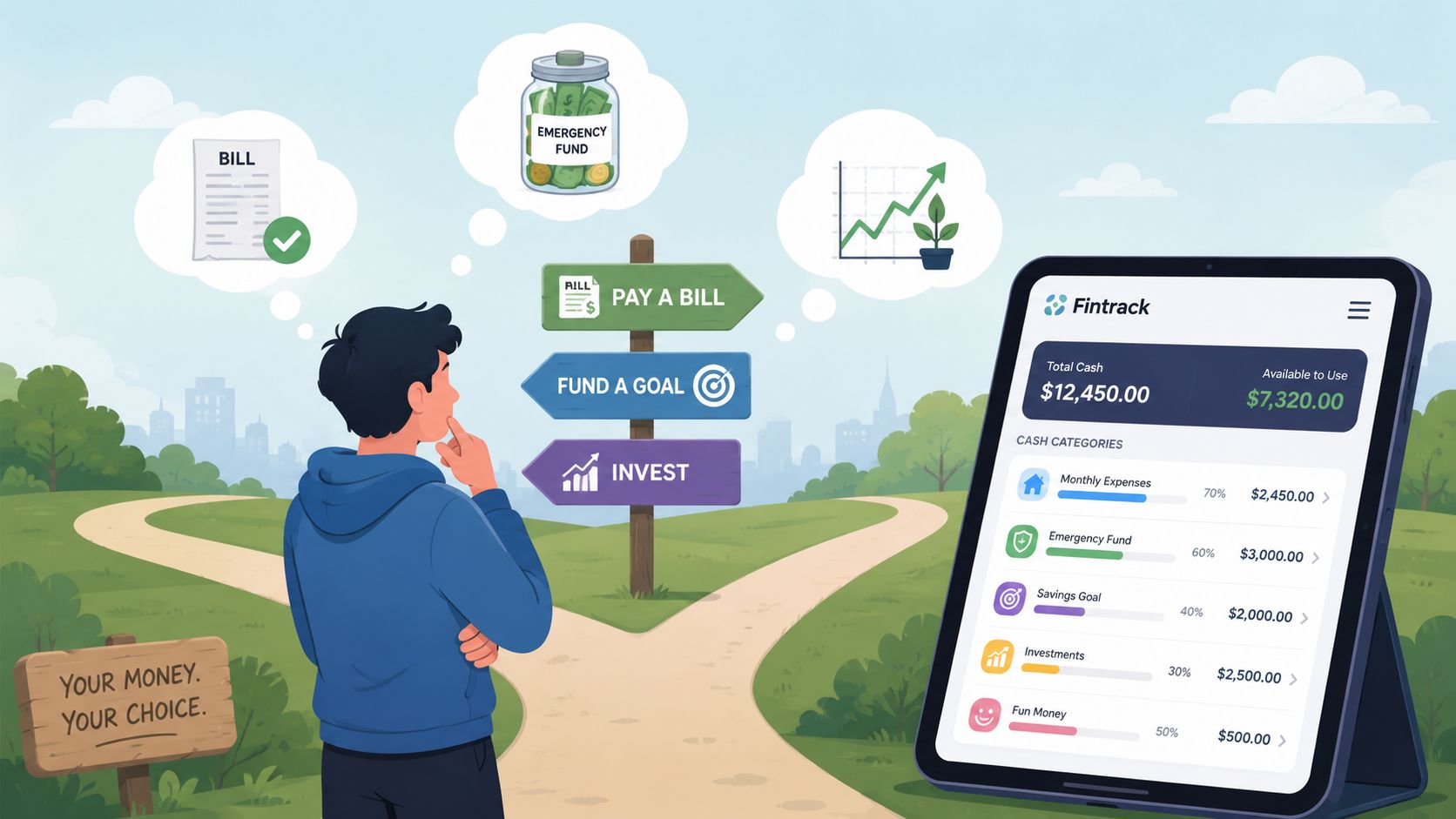
When depositing isn't the best option
You might choose an alternative if you still need the money accessible for a near-term purpose.
Common options include:
- Keep a rollover envelope for categories that fluctuate month to month
- Use cash directly for eligible bills where in-person payment is practical
- Load spending cash onto a prepaid card if you need online purchasing control
- Buy a money order for payments like rent when cash is accepted but a paper trail matters
Each option has a trade-off. Holding more cash at home gives flexibility, but less security. Depositing improves security and record-keeping, but it adds one more step between you and your money.
Fix mismatches before they become habits
If your cash count doesn't match your notes, don't panic. Start with the last few transactions in that envelope. Look for an unrecorded coffee stop, a receipt still stuck in your wallet, or change that was never written down.
Shared budgets add another layer. Existing guides often miss this problem, even though 44% of California couples report budgeting disagreements, and few structured methods exist for splitting envelope funds without conflict or “borrowing”, according to this discussion of shared budget friction in envelope systems.
A simple household rule works better than a vague agreement:
- one shared envelope for the category
- one written split for each person's allowance within it
- one place where every spend gets logged
- no borrowing from the other person's share without agreement first
For couples, the envelope problem usually isn't the cash. It's the missing record of who spent what and what was still available.
From Physical Cash to Financial Clarity
Cash envelopes still do something digital tools often struggle to do on their own. They create a hard stop. That's useful, and there's no reason to give it up if it works for you.
The upgrade is adding a clean exit path. Count the cash carefully, deposit it with intention, and log it right away so the rest of your budget stays complete. That gives you stronger security, less guesswork, and a clearer view of what your money is doing.
If you're also trying to understand how traditional money fits beside newer forms of value, this plain-English guide to compare digital assets with fiat is a useful side read. For your day-to-day budget, though, clarity comes from one habit above all: keeping every cash decision visible in one place, such as a personal finance dashboard.
If you want a simple way to apply this without linking your bank, Fintrack can help you manually track cash deposits, envelope spending, and category balances so your whole budget stays organised in one place.