
A household can know its rent or mortgage payment and still wonder where the rest of the month's money went. Electricity, heating, groceries, insurance renewals, vehicle repairs, app subscriptions, takeout, and small discretionary purchases often arrive on different schedules, so the total stays hidden until the account balance makes it visible.
A useful household expenses list needs to capture more than regular bills. It should include fixed payments, variable spending, annual obligations, and irregular costs that don't arrive every month. That matters in both Canada and the United States, where households may face different housing, tax, insurance, utility, and transportation patterns depending on their province, state, or city.
Start. List every expense, convert annual costs into monthly amounts, label each item as a need or want, and compare actual spending with a planned limit. For recurring bills, you can also cut utility and subscription costs by reviewing services before renewal dates rather than waiting for a budget shortfall.
An expense isn't truly budgeted until its timing and realistic amount are visible.
Fintrack can be an optional next step if you want to record expenses manually, categorize transactions, set budgets, and review household spending without requiring a bank connection. That approach can suit Canadian users who prefer not to link financial accounts, as well as anyone who wants a simple record alongside existing banking tools.
1. Housing Costs
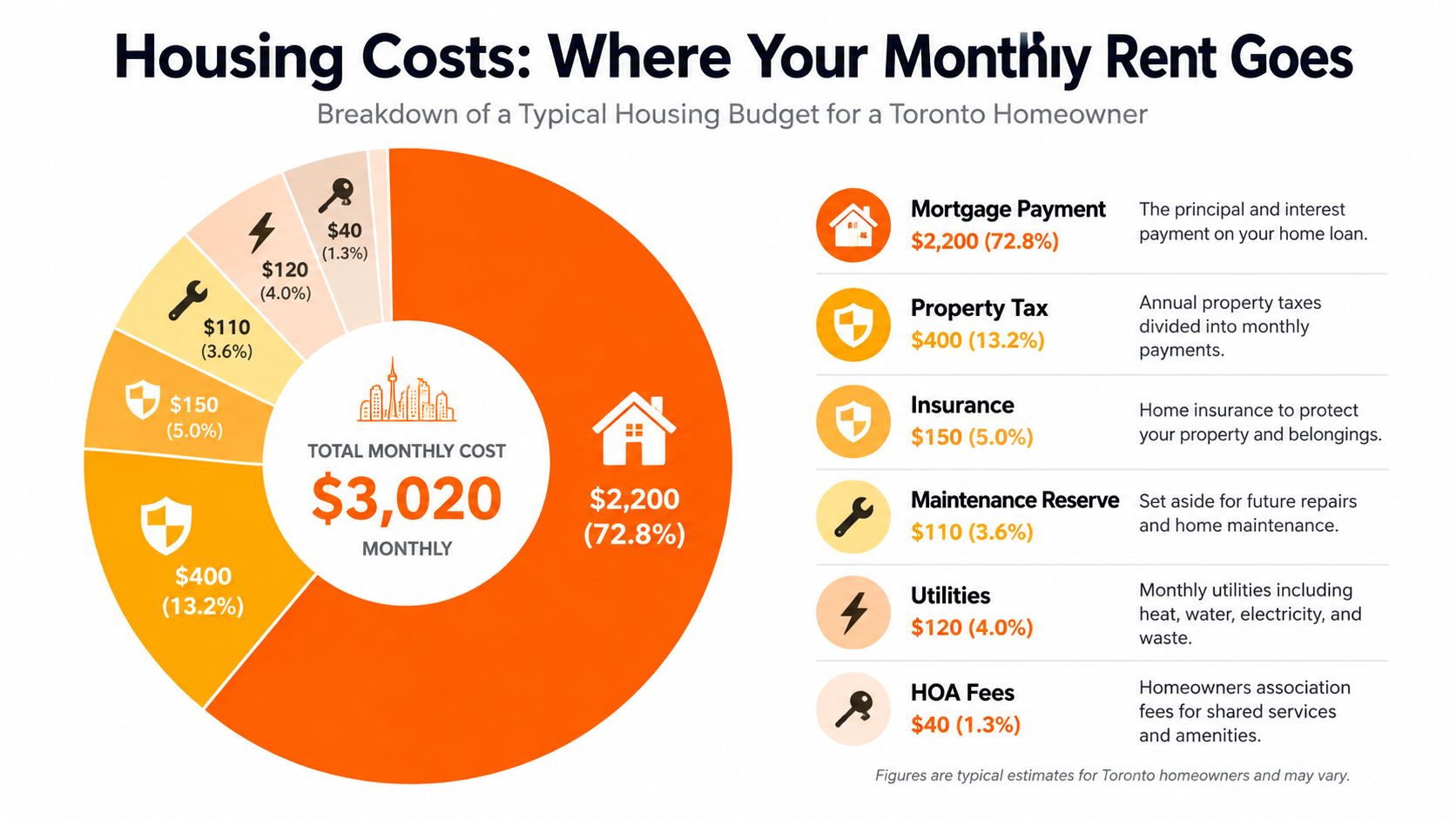
A Toronto homeowner may pay a mortgage each month, then face property tax, insurance, maintenance, or a special assessment on different schedules. A renter can face a similar mismatch through rent, renters insurance, parking, storage, and utilities outside the lease. Housing belongs in its own category because the largest payment rarely represents the full cost of keeping a home.
Record each housing cost separately, even when several appear on one statement. Include rent or mortgage payments, property taxes, homeowners or renters insurance, condominium or homeowners association fees, parking, bundled utilities, maintenance, repairs, and furnishing or moving costs.
For homeowners, set aside a monthly amount for costs that arrive irregularly. Roof repairs, appliance replacement, property tax adjustments, and condominium assessments can turn an otherwise manageable month into a shortfall. Renters generally have fewer repair obligations, but a rent increase, lease renewal fee, storage charge, or utility change can still alter the monthly total.
California evidence shows why this category deserves close attention. One measure reports that 40% or more than 4.5 million households are housing burdened because they spend at least 30% of income on housing, according to United Ways of California. The same United Ways of California data also estimates that 5.69 million households, or 42.4% of households, were cost-burdened in 2024, counting rent or mortgage payments together with utilities.
Build a true housing baseline
Use one housing category for planning, while keeping its components distinct in the tracker. That structure shows whether a change came from rent, taxes, insurance, utilities, or maintenance.
- Fixed housing: Rent, mortgage principal and interest, and regular property tax payments.
- Semi-fixed housing: Insurance, parking, condo fees, and bundled utilities.
- Irregular housing: Repairs, replacements, assessments, moving costs, and furnishing purchases.
A Toronto homeowner could list the mortgage, property tax, insurance, and maintenance reserve separately before checking the combined total. A Denver renter could track rent, renters insurance, and utilities as separate lines rather than treating rent as the entire housing cost.
For a focused affordability review, see how much you should spend on rent. If only the largest payment is recorded, the household still lacks a reliable housing baseline.
2. Utilities and Internet
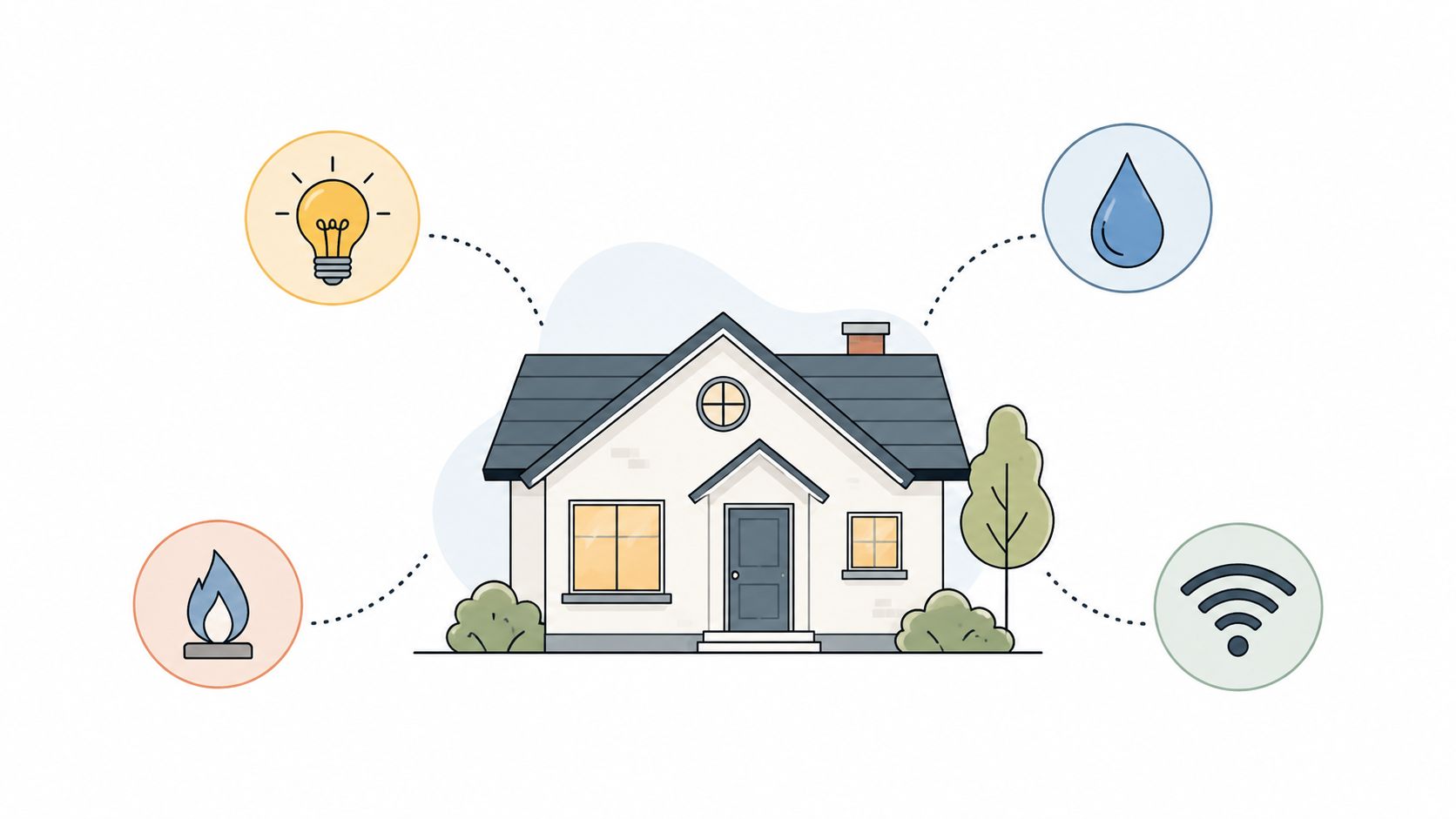
A Vancouver household may see electricity, gas, water, and internet rise for different reasons. Winter heating can increase gas use, while a Phoenix household may face its largest seasonal pressure from air-conditioning electricity. Water may remain separate, affected by leaks, usage, or local restrictions. These patterns make one combined “utilities” line too vague for a working budget.
Record each service independently, then group the totals for a monthly household view. Keep three planning layers:
- Fixed charges: Base service fees, regular connection charges, and any stable bundled components.
- Variable costs: Electricity, gas, water, sewer, garbage, and usage-based mobile or internet charges.
- Annual or irregular costs: Equipment replacement, installation, reconnection, seasonal deposits, and promotional-rate changes.
A monthly average can cover ordinary fluctuations, but a seasonal reserve prevents winter heating or summer cooling from disrupting other bills. Keep the actual bill beside the budgeted amount so you can see whether the difference came from usage, rates, fees, or a billing-period change.
Review the bill, not just the payment
Use a short review each month:
- Check rate changes: Look for new fees, expired discounts, and altered billing periods.
- Compare usage: A higher dollar amount with unchanged consumption may indicate a pricing change.
- Separate services: Give internet and mobile plans their own renewal reminders.
- Investigate anomalies: A water spike, heating increase, duplicate charge, or unexplained equipment fee deserves follow-up.
The monthly bill tracker can organise due dates and recurring payments, while a spreadsheet works for households that prefer manual entry. Compare your plan with the average cost of 5G home internet, then base the budget on your address, provider, equipment fees, usage, and contract terms. Cutting an unused speed tier or renegotiating after a promotional period ends may reduce costs, but reliability and household work needs still matter.
3. Groceries and Food
A supermarket receipt can hide several kinds of spending. Separate food, pantry staples, household supplies, delivery fees, meal kits, and special-diet products so the category shows what you control. Keep restaurant meals, coffee runs, and takeout elsewhere. Otherwise, a grocery overspend may really be convenience spending.
Build the list around three time patterns:
- Regular items: Produce, milk, bread, staple foods, and other purchases you make often.
- Variable items: Snacks, prepared foods, premium ingredients, delivery fees, and changes caused by prices or guests.
- Irregular items: Holiday meals, bulk purchases, celebrations, and equipment or specialty foods bought only occasionally.
Food costs differ by household, location, diet, shopping habits, and restaurant use. Canadian food-cost coverage includes a forecast of higher annual spending for a family of four than in the previous year as reported in the cited Canadian food-cost coverage. Use that context to recognise price pressure, not to copy a target into your budget.
Start with receipts rather than an idealised meal plan. Record several shopping trips, mark repeat purchases, and split food from non-food items on mixed supermarket receipts. A single-person urban household and a larger family need different limits. The useful measure is your planned amount compared with your own receipts over time. The average grocery cost for one person per month provides context, while a budget meal planning guide can help turn a limit into specific meals.
Reduce waste before cutting food quality. Check the pantry before shopping, plan around ingredients already available, and choose meals after reviewing reasonable sale prices. Compare unit prices because a sale label does not guarantee value. Store brands can lower costs when ingredients and quality suit your household, but switching every item is unnecessary.
Review the category weekly or after each shop. Compare the receipt with the plan, label the reason for any difference, and move annual or occasional costs into a monthly reserve. A spreadsheet, receipt app, or manual note can all work if the same categories are used consistently.

4. Transportation
A car can fit the monthly budget and still strain the household once fuel, parking, repairs, and insurance are counted. Public transit may have a predictable pass cost, yet occasional rideshares, taxis, tolls, or intercity trips can change the monthly result. Record the cost of reaching work, school, appointments, and social activities, not only the payment attached to a vehicle.
Separate transportation costs by timing as well as type. Fixed costs include vehicle financing or lease payments, insurance, registration, required licensing, parking, and a regular transit pass. Variable costs include fuel, charging, tolls, transit fares, rideshares, and taxis. Annual or irregular costs include inspections, repairs, tyres, oil changes, and seasonal preparation. Set aside a monthly amount for these less frequent bills so they do not appear as surprise spending.
A practical tracking setup can use three columns:
- Ownership: payment, insurance, registration, licensing, and parking.
- Usage: fuel, charging, tolls, fares, and rideshares.
- Maintenance: servicing, tyres, inspections, and repairs.
Review the totals for several months before changing routines. A low car payment may be offset by high fuel, insurance, parking, or maintenance costs. A transit user can compare the regular pass with occasional rideshares and decide whether carpooling, transit, or fewer discretionary trips would make a meaningful difference.
Use a lease or buy car comparison when assessing a vehicle decision. For an existing car, compare its full monthly cost with the value it provides, then record each trip or receipt manually in a spreadsheet or budgeting tool. Consistent categories make reductions easier to test and review.
5. Subscriptions, Memberships, Entertainment and Recreation
A household can spend on several digital services, a gym, software, and weekend activities without any single charge feeling significant. The list becomes useful when it shows which costs recur, which change with choices, and which arrive only occasionally.
Record streaming services, cloud storage, software, fitness memberships, gaming services, news apps, professional tools, delivery memberships, cinema visits, concerts, hobbies, games, local events, and recreational activities. Keep recurring services separate from occasional entertainment. A subscription may be cancellable, while a hobby purchase may be an intentional expense that needs a clear limit.
Review each item with three questions: who uses it, how often, and what would replace it? A household paying for Netflix, Disney+, Spotify, Apple One, a gym, Adobe, and LinkedIn may find that some services are rarely used. Cancellation is one option. Downgrading, pausing, sharing within permitted terms, or replacing a service can also reduce the total.
Build a review routine
Use a simple record with the service, payment frequency, renewal timing, user, and recent usage. Then:
- Mark usage: Label each item daily, weekly, occasional, or unused.
- Flag annual charges: Set a reminder before an annual membership renews and reserve money monthly.
- Remove overlap: Check whether several services meet the same need.
- Separate recreation: Give recurring digital costs their own total, then set a realistic limit for outings, hobbies, and events.
- Test reductions: Pause one low-use item and review whether the household misses it.
A subscription management guide can support this review habit. Keep a lower-cost recreation list too, such as library resources, community events, parks, or activities at home. That preserves leisure while giving the budget practical alternatives.
6. Dining Out and Takeout
A coffee before work, delivery after a late shift, and lunch bought near the office can make a dining budget look harmless when viewed separately. Record restaurants, takeaway, delivery, coffee, snacks, workplace lunches, delivery fees, and tips as their own category, apart from groceries. Groceries support planned meals and household supplies. Dining purchases often cover convenience, social plans, travel, or fatigue.
Review the record after a short tracking period. Look for repeat situations, such as office days without packed lunches, grocery plans that fail late in the week, or social meals that occur more often than expected. Include annual or irregular occasions, such as birthdays or holiday meals, in a separate reserve rather than hiding them in the monthly total.
Build a dining budget around decisions
Set a monthly amount with two working parts: planned social meals and convenience spending. If the category runs high, decide which type to reduce instead of cutting every meal out.
- Record first: Capture each purchase, fee, and tip before changing the habit.
- Name the trigger: Mark late work, missing groceries, travel, fatigue, or a social invitation.
- Prepare substitutes: Pack lunch, make coffee at home, or keep an easy freezer meal available.
- Review value: Keep meals that matter to the household, then question purchases that solved a preventable problem.
- Track manually or with a tool: A notes app, spreadsheet, bank export, or budgeting tool can show totals by week and trigger.
The trade-off is practical. Cooking takes time, while a planned meal out may be worth the cost. The useful distinction is whether spending reflects a deliberate choice or occurs because no workable alternative was ready. Recheck the category monthly and adjust the reserve when routines change.
7. Personal Care and Health
A month with only routine prescriptions can make this category look small. The next month may include dental work, new glasses, therapy, or a prescription change. List both predictable needs and irregular costs, including medical co-payments, health insurance premiums where appropriate, dental and vision care, haircuts, grooming, skincare, fitness, and other health supplies.
Use two tracking lines: monthly spending and an annual reserve. The monthly line can cover prescriptions, dental supplies, salon visits, and fitness. The reserve handles appointments, equipment, examinations, dental treatment, glasses, or other bills that do not arrive every month.
Give each expense a job
Separate required care from personal choices before setting limits.
- Required health care: Prescriptions, medical appointments, dental treatment, glasses, and necessary supplies.
- Preventive care: Routine dental, vision, and health appointments.
- Flexible care: Salon services, premium skincare, supplements, fitness memberships, and wellness purchases.
Review insurance benefits before paying out of pocket. Where a qualified health professional confirms they are suitable, compare generic or store-brand options. Keep annual costs visible so a low-bill month does not create a misleading surplus.
If spending runs over the limit, record the reason first. A treatment or appointment may be unavoidable, while a wellness purchase may be adjustable. Do not reduce necessary medication or treatment to meet a short-term target. Change the budget, check available coverage, and discuss appropriate alternatives with a healthcare professional rather than postponing care. Track manually in a notes app or spreadsheet, or use a budgeting tool to separate monthly charges from the annual reserve.
8. Clothing and Apparel
A clothing budget can change sharply when children grow, weather shifts, uniforms are needed, or workwear wears out. Include everyday clothes, shoes, outerwear, accessories, alterations, dry cleaning, and special-event purchases.
Separate the category into three tracking lines:
- Monthly clothing: Routine replacements, shoes, cleaning, and small accessories.
- Seasonal reserve: Coats, school clothing, uniforms, and weather-related purchases.
- Irregular needs: Formalwear, alterations, special events, and larger replacement costs.
This split prevents an inexpensive month from looking like surplus when a winter coat or uniform is due later.
Shop against a gap
Check the wardrobe before opening a shopping app or entering a store. List what is missing, what no longer works, and what would simply be nice to have. A replacement pair of shoes has a different budget job from another similar pair bought during a sale.
- Replace function first: Prioritise worn shoes, coats, workwear, and items that no longer fit.
- Pause optional purchases: Wait before buying non-essential pieces and see whether the need remains.
- Use resale selectively: Thrift stores, consignment shops, and resale platforms can work well for occasional or fast-changing needs.
- Match purchases to existing clothes: Choose pieces that create several usable outfits rather than isolated items.
A capsule wardrobe may reduce duplicates, but household needs and climate differ. The useful test is whether each purchase solves a real problem and earns regular use.
Record clothing separately from general shopping. In a notes app, spreadsheet, or budgeting tool, label each transaction as replacement, seasonal, event-related, gift, or impulse. Review the monthly line and reserve after each purchase, then adjust the next contribution when spending runs over for a genuine need.
9. Insurance Outside Auto and Health
Insurance outside auto and health belongs on the household expenses list, even when it is paid only once or hidden inside another bill. Common lines include homeowners or renters coverage, life insurance, disability insurance, umbrella coverage, travel insurance, and other policies tied to household risks.
Separate these costs by timing:
- Fixed or recurring: Monthly premiums that stay relatively stable.
- Variable: Premiums that change after renewal, coverage changes, or discounts.
- Annual or occasional: Renewals, travel policies, and coverage added for a specific event.
A cheaper premium can mean a higher deductible, narrower protection, or exclusions that affect your household. Paying the same premium for years without reviewing your circumstances can also leave one risk over-insured and another under-insured.
Build a policy file, then review the gaps
For each policy, record the provider, renewal date, premium, deductible, coverage purpose, and people or property protected. Keep the information in a spreadsheet, notes app, or budgeting tool, and set a calendar reminder before renewal.
- Check renewal terms: Compare the new premium and coverage with the previous policy.
- Ask about discounts: Payment method, safety features, professional affiliations, or bundled policies may affect the cost.
- Match protection to risk: Do not remove important coverage to reduce a monthly figure.
- Update after life changes: Recheck policies after a move, marriage, new child, major purchase, job change, or change in dependants.
Keep renters insurance, life insurance, and disability coverage as separate budget lines. They protect different needs, so separate records make it easier to review one policy, adjust the sinking fund for annual payments, and decide what to change without cancelling a broad “insurance” amount blindly.
10. Gifts and Charitable Giving
A household can manage its regular bills and still feel short of cash when several birthdays, holidays, weddings, graduations, donations, and family requests arrive together. Gifts and giving belong on the expenses list because their timing is uneven.
Record these costs in two ways: assign predictable items to a calendar, then set aside a regular amount in a sinking fund. Include religious contributions, charitable donations, school fundraising, workplace collections, family support, and travel-related gifts. A monthly transfer keeps an annual obligation from becoming an emergency.
Give according to a clear plan
Start with the dates and commitments already known. Estimate a yearly amount, divide it into manageable contributions, and leave room for requests that cannot be predicted. Keep gifts, charitable giving, and family support as separate categories so each reflects a different decision.
- Calendar predictable dates: Add birthdays, holidays, anniversaries, annual donations, and recurring collections.
- Set recipient limits: Agree on spending boundaries with family or use a gift exchange.
- Keep a gift list: Note useful ideas throughout the year instead of buying under pressure.
- Separate support from gifts: Assistance for a family member may need its own limit and review.
- Track actual spending: Record the recipient, amount, date, and category after each purchase or donation.
Time, shared experiences, or a personal lower-cost gift can also fit your priorities. The practical goal is to protect generosity without letting last-minute spending crowd out housing, food, savings, or debt payments.
Review the category after major occasions and at year-end. Store donation receipts with the record, compare planned and actual amounts, and adjust the next sinking-fund contribution when your household's commitments change.
10-Category Household Expenses Comparison
| Category | Implementation Complexity | Resource Requirements | Expected Outcomes | Ideal Use Cases | Key Advantages |
|---|---|---|---|---|---|
| Housing Costs | High, long-term decisions, limited short-term flexibility | High capital, ongoing payments, maintenance reserves | Major budget impact, builds equity, long-term stability | Long-term residence, family housing, property investment | Equity building, potential tax benefits, predictable baseline |
| Utilities and Internet | Medium, audits and provider changes feasible | Low–Medium time, possible upgrade costs (efficiency devices) | Moderate recurring savings (10–20%), seasonal variability | Reducing monthly bills, energy efficiency upgrades | Quick ROI from efficiency, rebates, data-driven reductions |
| Groceries and Food | Low–Medium, behavior and planning driven | Time for meal planning, bulk buying, storage space | High controllable savings (20–30%) without quality loss | Households seeking budget improvements and nutrition control | Highly controllable, large savings potential, reduces waste |
| Transportation | Medium–High, vehicle choices and maintenance planning | Significant capital (vehicle), insurance, fuel, maintenance | Large recurring cost; savings via transit, fuel efficiency, maintenance | Commuters, car owners evaluating total cost of ownership | Mobility and flexibility, used-car value, transit alternatives |
| Subscriptions, Memberships, Entertainment and Recreation | Low, audit and cancel easily | Low time to review, set budgets and consolidate plans | Immediate reductions ($50–200+/month) if culled | Quick discretionary cuts, subscription consolidation | Easy to cancel, rapid savings, flexible spending control |
| Dining Out and Takeout | Low, behavioral change and meal prep | Time to cook/plan, minimal extra tools | Fast monthly savings ($100–300) by reducing frequency | Busy professionals aiming to cut discretionary food spend | Convenience tradeoff; large per-meal savings when cooked at home |
| Personal Care and Health | Medium, scheduling and insurance navigation | Moderate premiums, co-pays, time for appointments | Preventive cost avoidance long-term; variable monthly spend | Managing preventive care, medication optimization | Preventive benefits, health protection, generic med savings |
| Clothing and Apparel | Low, purchasing strategy and discipline | Moderate seasonal spend, access to resale/thrift options | Controllable reductions (30–40%) with intentional strategy | Wardrobe optimization, sustainable spending choices | Discretionary control, thrift/capsule wardrobe savings |
| Insurance (Non-Auto, Non-Health) | Medium, policy selection and annual review | Moderate ongoing premiums; time to compare quotes | Risk mitigation; potential premium savings via bundling | Asset protection, family income replacement, major events | Protects against catastrophic loss, bundling discounts |
| Gifts and Charitable Giving | Low–Medium, planning reduces overspend | Low annual budgeting, advance purchasing | Values-aligned spending; reduces last-minute spikes | Holiday planning, philanthropic goals, family traditions | Strengthens relationships, tax-deduction potential for donations |
Turn the List Into a Budget You Can Maintain
A list becomes useful when it tells you what to do before, during, and after the month. Start by copying every category into a monthly and annual checklist. For each line, record the due date, planned amount, actual amount, payment method, and whether the expense is a need or want.
Convert annual costs into monthly amounts by dividing each yearly total by 12. Do the same for irregular costs you can reasonably anticipate, such as repairs, gifts, insurance renewals, professional fees, school expenses, or seasonal clothing. The money doesn't have to leave your account every month, but the budget should recognise the future obligation every month.
Use three labels for timing
Classifying expenses by timing is more useful than calling everything fixed or variable.
- Fixed: The amount and due date are usually stable, such as rent, a mortgage payment, or a regular loan payment.
- Variable: The expense occurs regularly but the amount changes, such as groceries, fuel, electricity, or dining out.
- Annual or irregular: The timing is occasional or the amount is uncertain, such as insurance renewals, repairs, gifts, medical care, and replacements.
Keep groceries separate from dining out. Keep fixed bills separate from flexible spending. Keep repairs and other irregular costs visible instead of burying them in “miscellaneous,” because a vague category doesn't tell you what to reserve or reduce.
A compact household template
Use these lines as a starting point, then add categories that fit your household:
- Housing: Rent or mortgage, property taxes, insurance, parking, condo or association fees, maintenance reserve.
- Utilities: Electricity, gas, water, waste collection, internet, mobile service.
- Food: Groceries, pantry items, meal kits.
- Dining: Restaurants, takeaway, delivery, coffee, workplace lunches.
- Transportation: Payment, fuel, charging, transit, parking, tolls, insurance, registration, repairs.
- Health: Prescriptions, medical care, dental, vision, therapy, health supplies, fitness.
- Insurance: Life, disability, renters or homeowners, travel, and other non-auto or non-health policies.
- Subscriptions: Streaming, software, cloud storage, memberships, apps.
- Clothing: Everyday wear, workwear, shoes, outerwear, alterations.
- Gifts: Birthdays, holidays, donations, family support, school and community contributions.
- Repairs: Home, appliance, vehicle, electronics, and equipment replacements.
- Other irregular costs: Travel, education, fees, taxes, pet care, childcare, and large planned purchases.
Review category totals weekly. A weekly check should take only long enough to enter missing transactions, confirm upcoming bills, and notice a category that is moving too quickly. Use the monthly review for decisions, such as lowering a subscription, changing a dining limit, moving money into a repair reserve, or adjusting a seasonal utility plan.
Manual entry can be a strength when bank connections are unavailable, undesirable, or incomplete. In Fintrack, you can use Fintrack's expense tracking tools to enter expenses manually, use AI-assisted categorization, review spending trends, set category budgets, and ask questions such as which category exceeded its limit. That gives you a working review process without requiring every account to be connected.
The important habit is consistency, not perfect categorisation. If you miss a receipt, add it later. If a category no longer reflects your life, change it. A household expenses list should evolve when your housing, work, family, transport, or priorities change.
Set up these categories in Fintrack and begin a short weekly review, starting with the three areas that most affect your cash flow: housing, food, and transportation.
Fintrack lets you record household expenses manually, organise them into categories, set budgets, and review spending patterns without requiring a bank connection. Visit Fintrack to set up your household expense categories and make this month's review easier to repeat.