
You move money into savings, check the balance a month later, and the interest earned barely covers a small treat. That's a frustrating feeling, especially if that money has a clear job like a down payment, tax savings, or an emergency buffer.
That's where products like the renaissance high interest savings account come in. It isn't a magic fix, and it isn't the same as your everyday bank savings account. But for the right kind of cash, it can be a useful parking spot that keeps your money more productive while still staying relatively accessible.
Is Your Savings Account Actually Losing You Money
A lot of people keep goal money in the same place they keep day-to-day cash. It feels simple. One account, one login, no extra setup.
The problem is that simple isn't always efficient.
If you've ever seen a tiny monthly interest deposit and thought, “That's it?”, you're not alone. Many standard savings accounts pay very little, which means your money can sit still for months while your goal keeps getting more expensive in real life. A house down payment doesn't wait. Neither does your next insurance bill or that emergency car repair.
What this looks like in real life
Say you're saving for a home purchase in the next few years. You don't want market risk because you might need the cash on a specific timeline. But you also don't want that money idling in a basic account that does almost nothing.
That's the gap a high-interest savings option tries to fill.
Instead of treating all savings the same, it helps to sort your cash by job:
- Spending money stays in chequing
- Immediate emergency cash stays somewhere very easy to reach
- Goal money can sit in a higher-yield cash product
- Longer-term investing money goes elsewhere entirely
If you want more ideas beyond bank products, it can also help to browse other apps to boost your earnings so you can pair better cash storage with a broader income strategy.
Practical rule: Money you need soon should stay safe. Money you don't need today shouldn't sit in a low-paying account by default.
The question to ask
Don't just ask, “Is this a savings account?”
Ask, “What job is this money doing, and is this account built for that job?”
That's the right frame for the renaissance high interest savings account. It's not mainly about convenience for daily spending. It's about improving the way you hold cash for short-term goals. If you want a simple refresher on how return works across savings and investing, this guide on rate of return helps put the trade-off into plain language.
What Is the Renaissance High Interest Savings Account
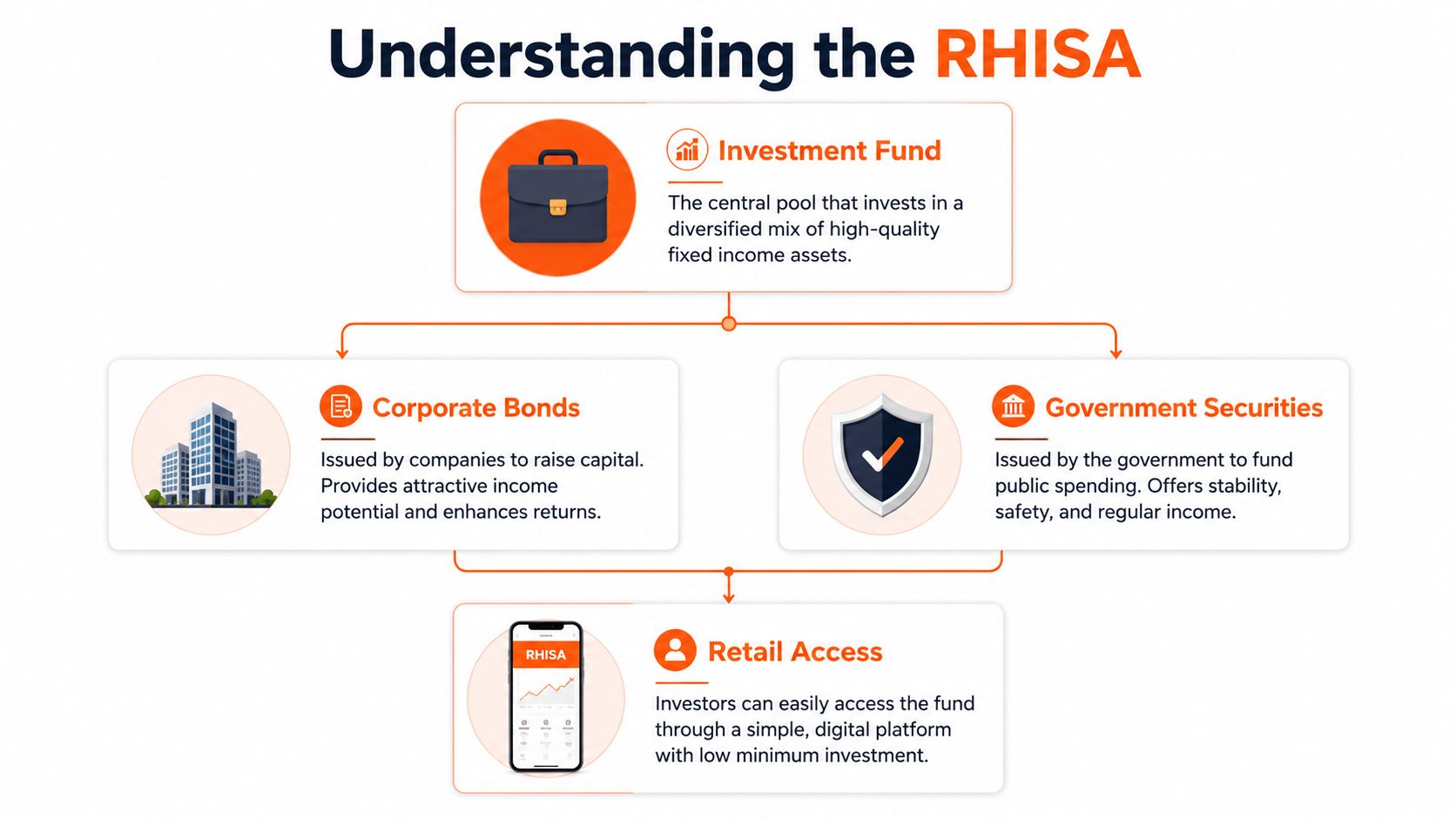
The Renaissance High Interest Savings Account, often shortened to RHISA, is a cash savings product offered through Renaissance Investments and issued by CIBC. It's designed for people who want a place to hold cash inside investment accounts without taking on stock or bond market risk in the usual sense.
That distinction matters. This is not the same as opening a regular branch savings account and using a debit card. You generally access it through an investment platform or advisor, then buy units of the account the way you'd buy a fund.
Think of it as a cash parking spot
A useful way to picture RHISA is this. Your chequing account is your wallet. Your regular savings account is your bedside drawer. RHISA is more like a secure cash parking stall inside your investment account.
That makes it especially relevant for money you want to keep safe and liquid while it waits for its next job.
Here's the structure at a glance:
How the rates work
According to the Renaissance Investments HISA product page, as of late 2025, CAD Series A yields 1.80%, CAD Series F yields 2.05%, USD Series A yields 3.15%, and USD Series F yields 3.40%. The same source notes that interest is calculated daily and paid monthly, and that the account is CDIC eligible up to $100,000.
That rate split between Series A and Series F confuses people, so here's the plain-English version:
- Series A is generally the version used in accounts with embedded compensation structures.
- Series F is usually for fee-based advisory accounts, which is why the yield is higher.
- CAD and USD versions let you hold either Canadian-dollar cash or U.S.-dollar cash, depending on your needs.
Why someone would use this instead of ordinary savings
The main reason is straightforward. You may already have cash sitting inside a TFSA, RRSP, or non-registered investment account. RHISA gives that cash a dedicated home instead of leaving it uninvested or moving it out to a separate bank account.
That can be useful if you're waiting to deploy money gradually, building a short-term savings bucket, or setting aside cash in registered plans without taking on more volatility than you want.
A personal finance dashboard also becomes more useful when you can see cash, goals, and investment-held savings in one place. If that's part of your setup, this article on a personal finance dashboard is a practical next read.
RHISA is best understood as a savings tool inside the investment world, not a replacement for your everyday bank account.
The Pros and Cons to Consider
RHISA can be a strong tool. It also has a few limitations that matter a lot depending on how you plan to use the money.
That's why the right comparison isn't “good or bad.” It's “good for which job?”
Where it shines
RHISA tends to work well when you want better yield on cash without moving that money into something more volatile.
Main advantages
Better use of idle cash
If cash is already sitting in an investment account, RHISA gives it a purpose instead of leaving it parked unproductively.Strong safety profile
The product is issued by CIBC and includes CDIC eligibility within the stated limits, which gives many savers more confidence than holding cash in riskier alternatives.Useful for short-term goals
It can suit money meant for a down payment, taxes, or a planned purchase where preservation matters more than chasing returns.Works inside registered and non-registered accounts
That flexibility is practical if you want your savings strategy to match the account type you already use.
Where people get tripped up
The biggest misunderstanding is assuming RHISA behaves exactly like a bank savings account. It doesn't.
Here's a simple side-by-side view:
| Feature | RHISA | Typical everyday savings account |
|---|---|---|
| How you access it | Through an investment account | Through your bank account |
| Best use | Goal cash and parked investment cash | Day-to-day and quick transfers |
| Withdrawal feel | Not instant | Usually faster for routine banking |
| Role | Cash management tool | Banking tool |
The trade-offs
You need the right account setup
You can't usually just walk into a branch and open it as a standalone banking product.It's not ideal for same-day emergencies
If you need cash immediately, the access process is less convenient than a standard bank transfer.The rate can change
This is important. The posted yield isn't locked in forever, so you should treat it as variable cash yield, not a guaranteed long-term rate.
A product can be safe, useful, and still be the wrong place for your rent money if access speed matters.
If you've compared cash products before, you've probably noticed that account structure matters as much as headline yield. Even in other finance categories, details like access and account mechanics can matter more than the marketing. This breakdown of PenFed is a good reminder that the best product is usually the one that fits the job, not the one with the flashiest label.
Who Should Use the Renaissance HISA
The renaissance high interest savings account makes the most sense when your cash has a defined purpose and a medium-short timeline. It's not built for groceries, e-transfers, or impulse spending. It's built for organised savings.
Good fits for RHISA
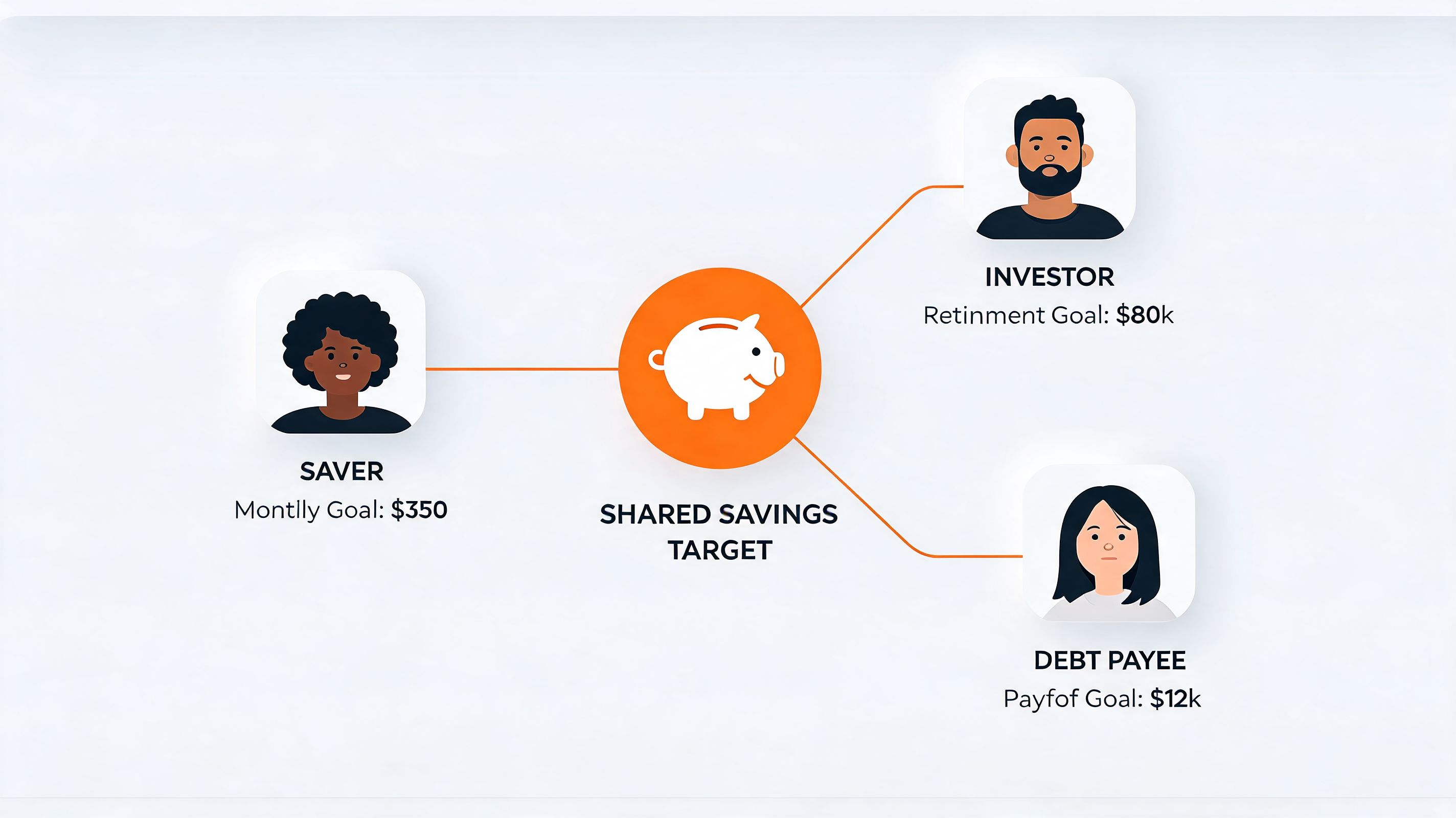
Some people can read a product page and still not know if it applies to them. These examples help.
The home buyer
You're saving for a down payment and don't want stock market swings to hit your purchase timeline. You want the money to stay stable while earning something.The emergency fund builder
You already keep some cash very close at hand, but the rest of your emergency reserve doesn't need instant chequing-style access. RHISA can suit that secondary layer.The freelancer or self-employed saver
Tax money has a job. It isn't spending money. Holding it separately in a cash product can reduce the temptation to dip into it.The investor waiting on a decision
Maybe you've sold holdings, contributed new cash, or you're waiting for a planned purchase inside a registered account. RHISA can be a temporary holding place.
When it may not be the best match
It probably isn't ideal if you want one account for everything. If you're moving money often, paying bills from it, or relying on immediate access, a regular banking setup is still necessary.
It can also be awkward if you haven't separated your money by purpose. In that case, your first step may be organising your savings buckets before choosing the product.
A simple way to decide
Ask yourself these three questions:
- Do I need this money for a specific goal, not daily life?
- Do I want stability more than growth?
- Can I live with next-business-day access instead of instant access?
If the answer is yes across the board, RHISA may fit.
The best savings product is the one that matches the timeline of the goal, not the one that sounds the most impressive.
If your main priority is building a cash buffer before anything else, this guide on an emergency fund in Canada is a useful companion.
How to Open and Fund an RHISA Account
Opening RHISA is usually less intuitive than opening a bank account, but the process is manageable once you know what you're looking for.
The key thing to know is that you normally buy it through an investment channel. Think advisor platform, brokerage, or another provider that offers Renaissance products.
A simple step-by-step path
Choose where you'll hold it
Start with the account type, not the product code. Decide whether this money belongs in a TFSA, RRSP, or non-registered investment account.Confirm your provider offers Renaissance products
Not every platform handles every cash product the same way. Check first so you don't waste time opening an account that won't let you buy the units you want.Open and fund the investment account
Move cash into the account the same way you'd fund a brokerage or advisor-held account. Once the money lands, it's ready to be allocated.Use the correct fund code
RHISA uses specific codes depending on currency and series. The verified product information lists these codes, including ATL5070 for CAD Series A, ATL5071 for CAD Series F, ATL5074 for USD Series A, and ATL5075 for USD Series F.Place the purchase order
Instead of “depositing” into a bank savings account, you're buying units of the RHISA option inside the account.
What people often confuse
A common mistake is assuming “high interest savings account” means branch banking. With RHISA, the account wrapper and the savings product are separate things.
For example:
- Your TFSA is the container
- RHISA is the cash product inside that container
That's why setup can feel more like investing than banking, even though the goal is to hold cash.
Before you place money there
Run this quick checklist:
- Know the purpose of the money
- Pick the right account type for tax treatment
- Confirm the series you're eligible to use
- Keep a separate instant-access buffer elsewhere
- Label the savings goal so you don't mix it with spending cash
This is the same logic behind setting up a sinking fund. Give each pile of money a clear job, then choose the right home for that job.
Understanding the Security and Fine Print
This is the part many people skip. It's also the part that matters most when your balance grows.
RHISA has a strong safety profile, but “CDIC eligible” doesn't mean unlimited protection and it doesn't mean instant access.
What CDIC protection means here
The CIBC Wood Gundy RHISA document explains that RHISA is CDIC-eligible up to $100K per depositor, and that registered accounts such as RRSPs and TFSAs, along with joint holdings, can create coverage nuances for higher-balance households. The same document also notes the T+1 settlement delay via FundSERV, which means the money is not instantly accessible like a traditional bank savings account. You can review that detail in the CIBC Wood Gundy RHISA document.
What trips people up is the category issue. If you have multiple accounts, joint savings arrangements, or several registered plans, coverage can be less straightforward than it first appears.
Practical examples of the fine print
Here's where people can get caught off guard:
Large household balances
A couple may assume each account is protected separately in every case, when the actual insurance treatment may depend on how those holdings are structured.Registered plan confusion
Someone might hold RHISA in a TFSA and RRSP and think all coverage works the same way. The categories matter.Access timing assumptions
If you treat RHISA like chequing, you may be disappointed when cash isn't available on the spot.
Keep emergency money in layers. One layer for today. Another layer for next-business-day access. Another for longer-term goals.
The smartest way to use it
RHISA works best when you treat it as part of a cash system, not your entire cash system.
A practical setup might look like this:
- Immediate cash in a bank account for urgent same-day needs
- Goal cash in RHISA for planned near-term use
- Longer-horizon money in investments suited to that timeline
That keeps the strengths of RHISA in the right place. You get better cash management without expecting it to do the job of every other account.
If you want to keep savings accounts, goals, and everyday spending in one view, Fintrack can help you stay organised without a spreadsheet. It's especially useful when you're juggling multiple cash buckets like an emergency fund, tax savings, and a down payment fund, and want a clearer picture of what each dollar is for.