
Your bank app says your balance is tighter than you thought. Your credit score looks worse than expected. You also realise you've let rewards, credits, or cashback offers sit untouched for months. That combination can feel messy fast, especially when the word credit seems to mean three different things at once.
That's why credit recovery confuses so many people. In schools, it usually means making up a failed course so a student can graduate. In personal finance, it means rebuilding damaged credit and getting your money habits back under control. People also use it loosely to mean reclaiming value you've already earned, like store credit or loyalty rewards.
If debt collection is part of the stress, it helps to understand your rights before you respond. A practical starting point is understanding Connecticut FDCPA, especially if you're dealing with collection calls or letters and want a clearer sense of what collectors can and can't do.
For the financial side, the goal isn't perfection. It's a steady reset. A simple money system, like this guide to planning your personal finance, can make the next steps feel much more manageable.
Starting Your Financial Comeback
The first thing to know is that a low score or a pile of missed payments doesn't mean you're locked out forever. Credit recovery is usually a process of fixing errors, catching up, and proving over time that you can manage borrowing more reliably.
People often look for "what is credit recovery" and land in the wrong conversation. Some results talk about schools. Others talk about credit repair companies. Neither helps if what you really need is a calm, practical explanation of what to do next.
Practical rule: Start by defining the problem correctly. If you're talking about loans, cards, collections, or payment history, you're in the personal finance version of credit recovery.
A good recovery plan usually has three parts. First, understand where you stand. Second, protect the habits that matter most. Third, reclaim any money or benefits you've been overlooking so you can create breathing room.
The Two Worlds of Credit Recovery
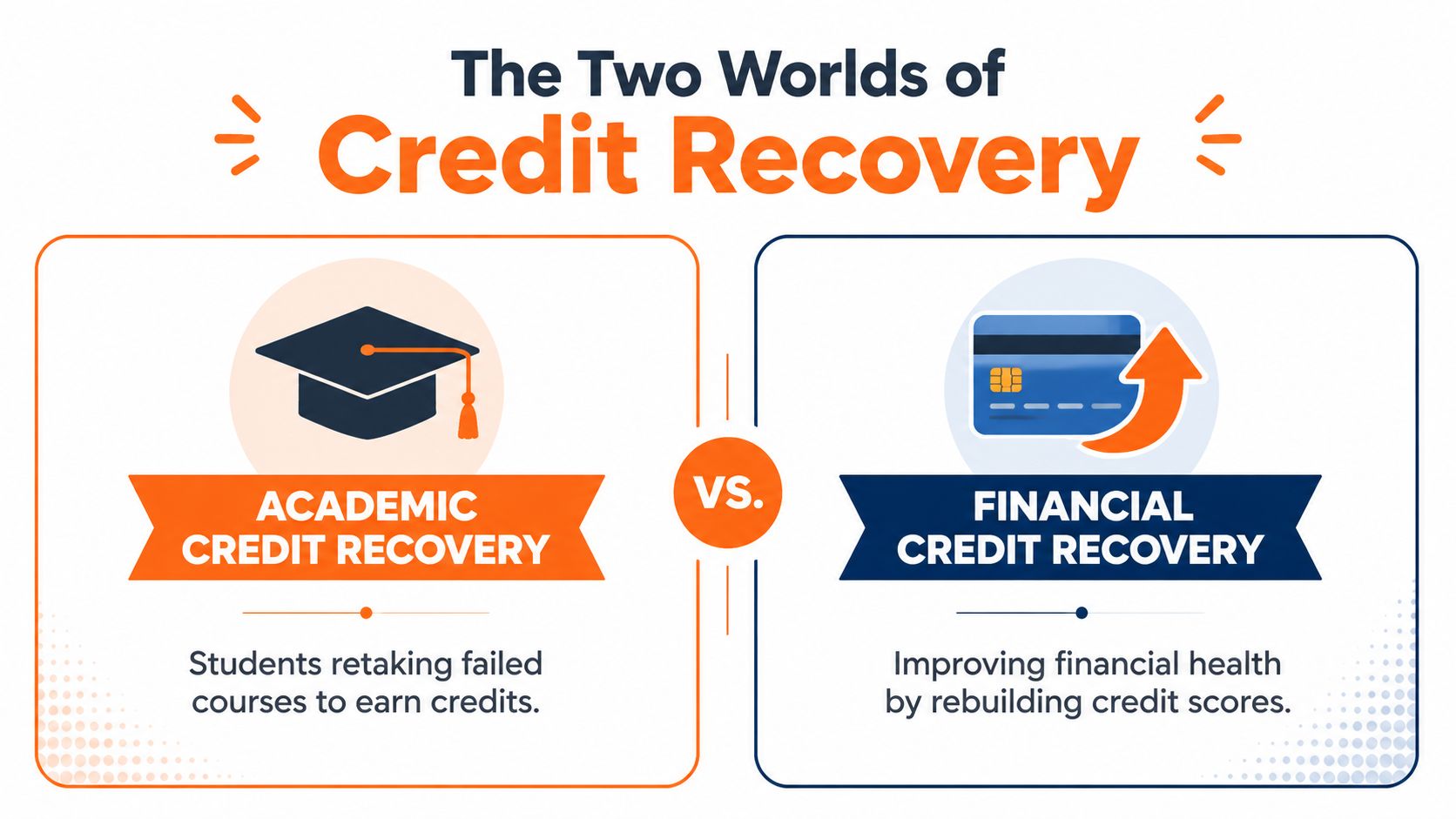
The phrase what is credit recovery has two common meanings, and they aren't interchangeable.
Academic credit recovery
In education, credit recovery means helping a student earn back credit for a course they previously failed. It's generally used to keep students on track for graduation without making them repeat an entire academic year.
A widely cited national briefing says 89% of U.S. high schools offer credit recovery to help students who failed a required course get back on track for graduation, according to the PIE Network credit recovery brief. In California, the term is usually used in a course-specific way. Students may re-earn a failed course through online modules, summer school, or after-school sessions instead of repeating the full course in the same format.
That academic meaning matters because it explains why search results are so mixed. If you were expecting advice on debt and credit cards, school-focused articles can feel completely off-topic.
Financial credit recovery
In personal finance, credit recovery is broader. It usually means rebuilding your credit score, correcting mistakes on your credit reports, dealing with overdue accounts, and creating better payment habits so your financial profile improves over time.
Think of it this way:
| Area | Academic meaning | Financial meaning |
|---|---|---|
| Problem | Failed class | Damaged credit profile |
| Goal | Earn graduation credit | Rebuild borrowing credibility |
| Action | Retake missing coursework | Make on-time payments, reduce debt, fix report errors |
| Outcome | Stay on track for diploma | Qualify more easily for future credit |
The core idea is the same in both worlds. You fell behind in one specific area, and now you're working to repair the gap instead of starting your whole life over.
If card debt is part of the issue, this guide on how to transfer balance on credit card can help you understand one option for simplifying repayment.
Credit recovery in finance isn't a one-time trick. It's a repeatable pattern of better decisions documented over time.
How to Recover Your Credit Score Step by Step
A credit score usually improves because you change what lenders can see. That means better payment behaviour, lower revolving balances, and fewer unresolved errors.
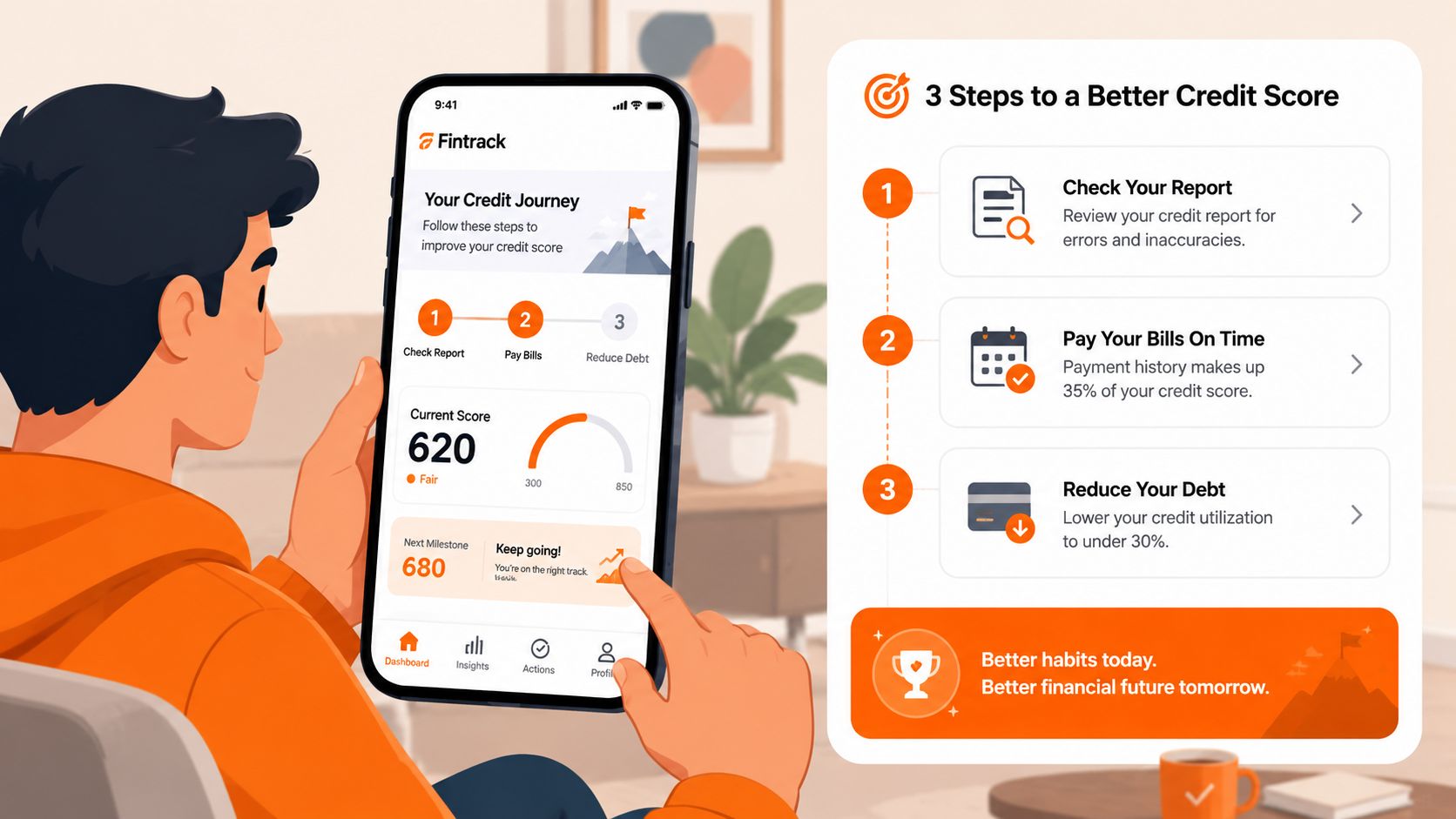
Step 1: Pull your credit reports and read them slowly
Start with your reports, not your emotions. You're looking for what accounts appear, which payments were reported late, whether balances look accurate, and whether any collections or unfamiliar accounts show up.
Use a notebook or spreadsheet and mark items into three groups:
- Looks correct
- Needs checking
- Looks wrong
This sounds basic, but it keeps you from reacting to everything at once.
Step 2: Dispute errors before you start throwing extra money at debt
If an account doesn't belong to you, shows the wrong balance, or lists an incorrect payment status, challenge it with the credit bureau and the creditor. Keep copies of everything you send.
A common mistake is paying an account first and asking questions later. If the reporting itself is inaccurate, fix the record before you build your plan around it.
Quick check: If the name, dates, account status, or balance seems off, don't assume the system will correct itself.
Step 3: Make every payment on time from this point forward
This is the habit that carries the most weight. Payment history is approximately 35% of your FICO Score calculation, according to MyFICO's explanation of what goes into your credit score.
If you're behind, focus on creating a system that prevents the next late payment. That may mean calendar reminders, automatic minimum payments, or moving due dates closer to payday.
If you need a practical refresher on timing and strategy, this guide on credit card payment habits is a helpful companion.
Step 4: Bring down high card balances
Carrying large balances can make recovery feel stuck, even if you're paying on time. The goal isn't only to reduce debt. It's also to stop your cards from looking maxed out or stretched.
A workable method is to list each card with:
- Current balance
- Minimum payment
- Interest rate
- Due date
Then choose one target account for extra payments while keeping the rest current. That gives you a defined win instead of scattering effort.
Step 5: Stop adding new damage
Recovery gets harder when fresh problems keep landing on the report. Try to pause unnecessary applications for new credit, avoid missing utility or loan payments, and don't ignore collection notices.
A simple spending plan can be helpful. If your monthly cash flow is too tight, credit repair tactics won't solve the core issue. You need enough room in your budget to stay current consistently.
Step 6: Review progress monthly, not daily
Credit recovery takes repetition. Checking every day can make you feel like nothing's changing, even when the underlying habits are improving.
Use a monthly review instead:
- Confirm every payment posted
- Scan for new fees or reporting issues
- Adjust your debt payoff plan if one balance is dropping faster than expected
- Note small wins, like one fewer overdue account or one card balance moving down steadily
That's how a comeback usually looks. Quiet, organised, and a bit boring. Boring is good.
Reclaim Hidden Value from Unused Credits and Rewards
Credit recovery isn't only about fixing what's broken. Sometimes it's also about finding money you've already earned but haven't used.
The overlooked side of recovery
Many people are so focused on debt that they ignore smaller pockets of value. That might be a retailer credit from a return, credit card rewards, hotel points, airline miles, cashback sitting in an account, or an offer that expires because no one tracked it.
That isn't trivial. A 2023 survey estimated that consumers are sitting on $21 billion in unspent loyalty points and rewards, with many expiring before use, according to Bond's loyalty report.
What to look for this week
Do a quick sweep of places where value often hides:
- Retail accounts for return credits or gift balances
- Travel programmes for points nearing expiry
- Credit card portals for cashback or statement credit offers
- Mobile wallets and email inboxes for unused discount codes
- Old subscriptions or memberships that include perks you forgot about
This kind of recovery won't repair your report directly. It can, however, free up cash you can redirect to a bill, a minimum payment, or a small emergency cushion.
A forgotten reward isn't the same as extra income, but using it well can take pressure off your real income.
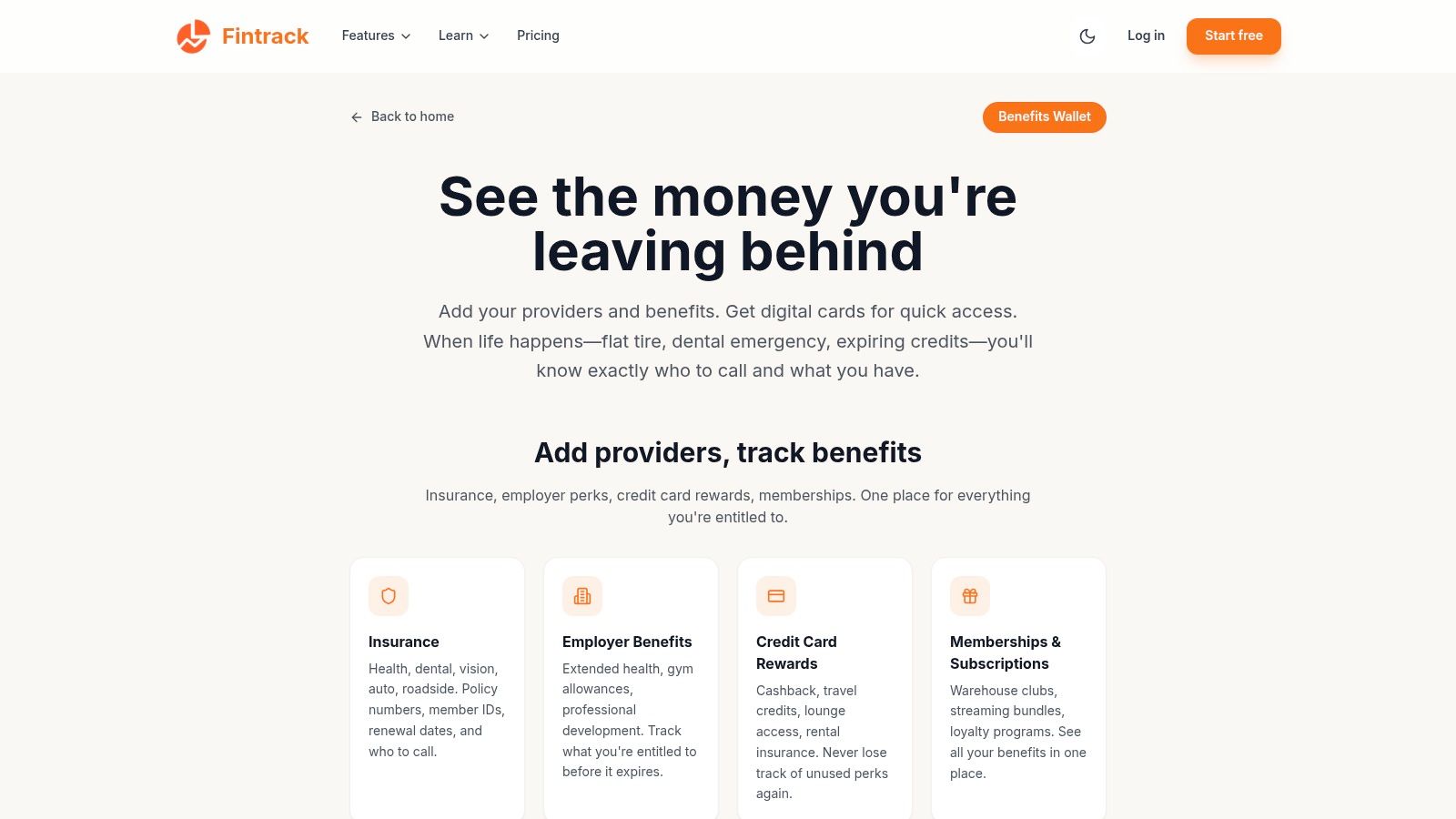
If you want a central place to keep track of these scattered benefits, the Benefits Wallet feature is built for exactly that job.
Why this matters psychologically
Rebuilding credit can feel slow because most of the payoff is delayed. Reclaiming existing rewards gives you an earlier win. It reminds you that financial recovery isn't only about restriction. It's also about using what's already yours more intentionally.
Smart Tools for Your Recovery Journey
You don't need a complicated system. You need one you'll keep using.
Tools that reduce friction
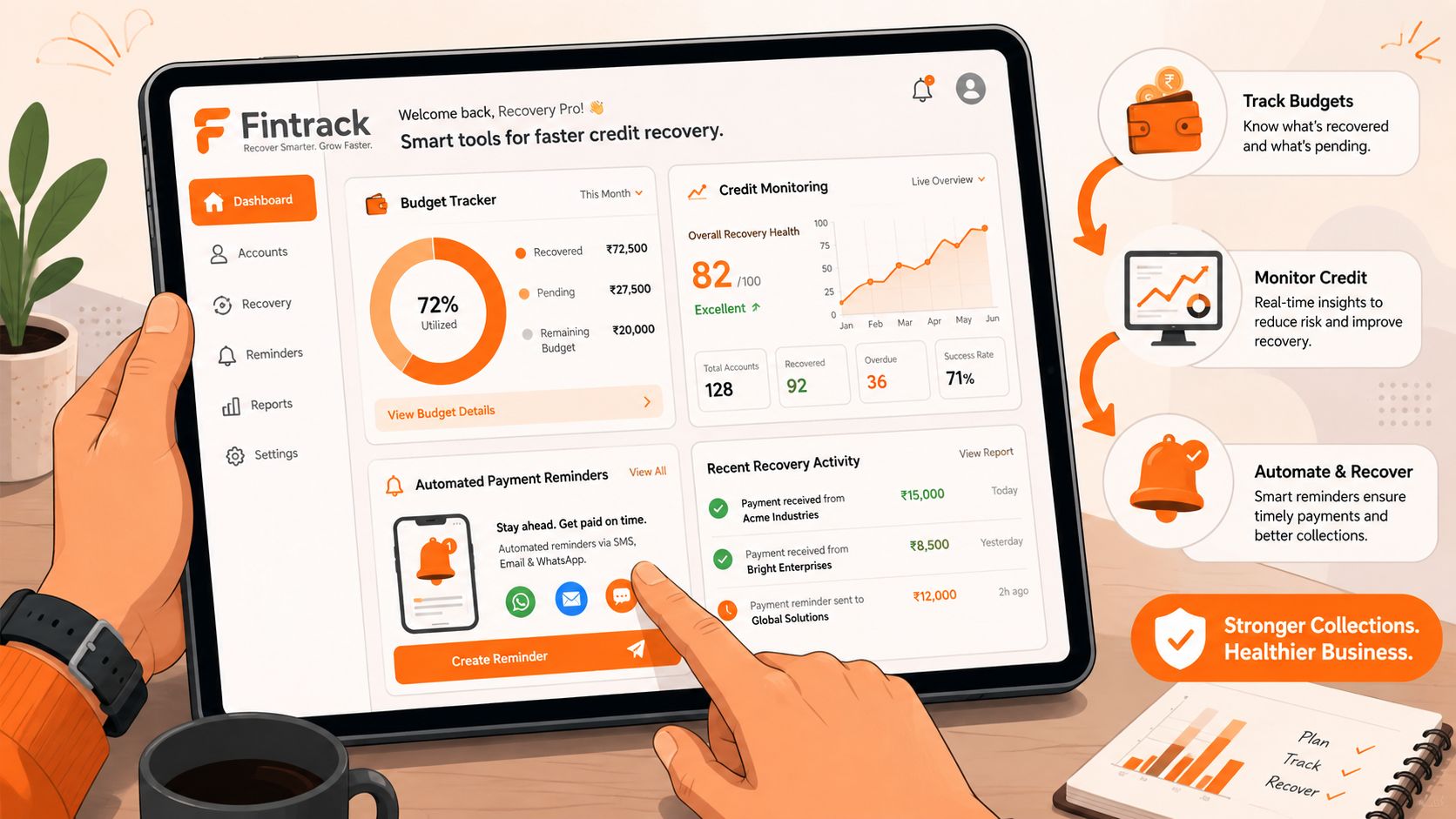
The best money tools do three things well. They show you where your money went, warn you when something needs attention, and help you spot waste quickly enough to act on it.
That's especially useful with recurring charges. Consumer surveys reported by CNBC found that the average person underestimates monthly subscription spending by over $100, according to CNBC's coverage of subscription spending. If you're trying to recover your credit, that kind of leakage matters because it competes with your debt payments.
What a useful setup looks like
A practical recovery system can include:
- Payment reminders so you don't miss due dates
- Transaction tracking so you can see spending patterns clearly
- Subscription detection to catch charges that crowd out repayment
- Rewards monitoring so benefits don't expire unused
- A simple dashboard that helps you review progress in one place
None of that replaces discipline. It supports discipline.
Keep the workflow small
A lot of people quit because they build a system that feels like homework. A better approach is a short weekly routine:
- Review recent transactions
- Flag anything odd
- Cancel one unnecessary recurring charge if you find one
- Prepare for the next bill due
If you're rebuilding after a rough stretch, the right tool isn't the one with the most charts. It's the one that helps you stay consistent when life gets busy.
When to Seek Professional Help for Your Credit
Some situations go beyond a DIY clean-up. That's not failure. It just means the situation is important enough that outside help may save time, money, or stress.
Signs you may need support
Consider professional help if any of these apply:
- You're facing legal action: Court papers, wage concerns, or serious collection pressure deserve prompt attention.
- Identity theft appears widespread: If multiple unfamiliar accounts or hard-to-explain reporting issues appear, the clean-up can get complex quickly.
- You can't keep up with minimum payments: At that point, budgeting alone may not be enough.
- You're too overwhelmed to act: If you've been avoiding the problem for months because it feels impossible, a structured plan from a reputable counsellor can help.
- Your disputes keep stalling: Repeated unresolved reporting issues may need more formal support.
Watch for credit repair red flags
Be careful with companies that promise to erase accurate negative information or guarantee a specific score increase. Those promises are a warning sign, not reassurance.
The FTC warns that it's illegal for a credit repair company to ask for payment before services are rendered, according to the FTC's consumer guidance on fixing your credit.
Look for organisations that explain your options clearly, charge transparently, and don't pressure you into fast decisions. Many people can do a lot of the basic work themselves, especially checking reports, disputing errors, and building better payment habits.
If a company promises a miracle, ask what specific action they're taking that you couldn't understand yourself.
If collections are part of the problem, this article on how to remove collection items from credit report can help you sort out what may be possible and what usually isn't.
If you want a calmer way to stay on top of spending, subscriptions, and overlooked rewards while you rebuild, Fintrack can help you turn scattered financial information into one clear routine.