
You open your savings account, see the interest paid, and feel the same frustration many investors feel. The balance may be respectable, but the income it throws off often isn’t enough to meaningfully support monthly spending.
That’s where funds like the ci high income fund tend to catch attention. The name sounds simple. High income. Monthly cash flow. Balanced approach. But if you’re counting on that money for groceries, travel, or topping up retirement income, the fundamental question isn’t just “how much does it pay?” It’s “where is that income being generated?”
Searching for Income in a Low-Interest World
A common path looks like this. Someone builds savings carefully, avoids speculative stocks, and wants more than a plain savings account can offer. Then they start looking at income funds, dividend funds, and balanced mutual funds that promise regular distributions.
The attraction is easy to understand. A fund that sends cash out on a schedule feels more useful than one that only grows on paper. If you’re trying to cover part of your monthly expenses from investments, regular deposits can feel more practical than waiting to sell units when you need money.
Still, income investing gets confusing fast. A fund can distribute cash every month and still be weaker than it looks if those payments aren’t supported by the fund’s underlying earnings. That’s why a fund like ci high income fund deserves a closer look instead of a quick glance at the yield label.
Practical rule: Treat any income fund like a paycheque source. You need to know whether the money is being earned, or whether part of it is simply your own capital coming back to you.
This issue matters well beyond Canada. If you want a broader perspective on how retirees structure dependable withdrawals and pension-style cash flow, this guide on how to create retirement income in Australia is a useful companion read.
One more point often gets missed. Income is only one half of the picture. The other half is what happens to your principal over time. If you want a refresher on how returns work, including the gap between cash paid out and total growth, this primer on how rate of return works helps frame the decision properly.
What Exactly Is the CI High Income Fund
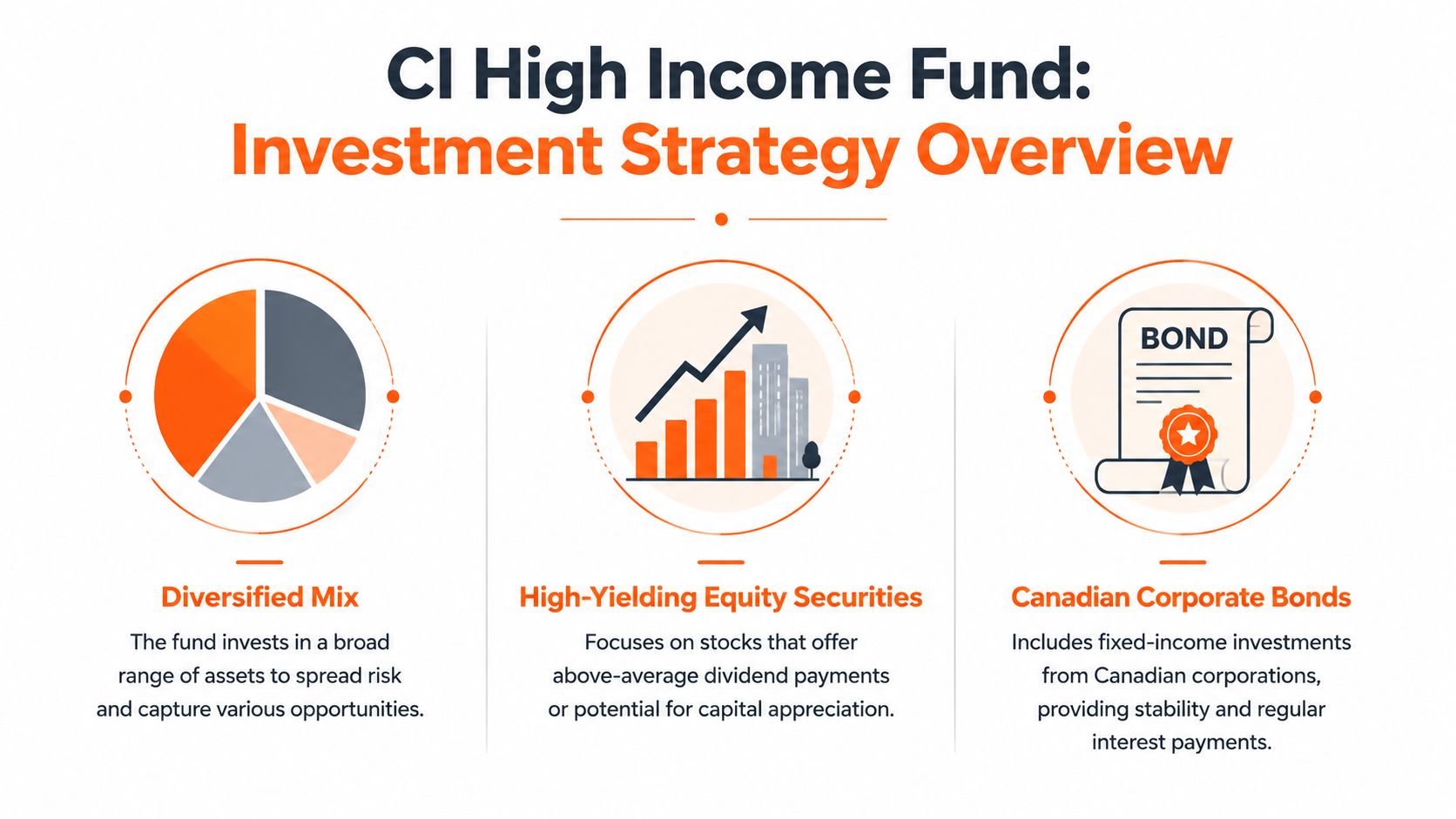
The CI High Income Fund is a balanced mutual fund. That means it doesn’t hold just one type of investment. Instead, it mixes income-oriented stocks with bonds in a single portfolio.
A simple way to picture it is a financial potluck. One guest brings dividend-paying shares. Another brings corporate bonds that pay interest. A third brings a small amount of cash and other securities for flexibility. The goal isn’t to win on one dish. The goal is to create a steadier overall meal.
What the fund is trying to do
This fund is built for two jobs:
- Generate regular income
- Pursue some long-term capital growth
That first goal is the one commonly noticed. Investors often buy this type of fund because they want recurring distributions that may help support spending needs. The second goal matters too, because if a fund only pays out cash and never preserves or grows capital, it can become less useful over time.
The fund is Canadian-domiciled and follows a high-income plus long-term growth mandate by combining high-yielding equity securities with Canadian corporate bonds. In plain language, it’s trying to pull income from both sides of the portfolio instead of relying on only stocks or only fixed income.
Why beginners often misunderstand balanced funds
Many people hear “balanced” and assume “safe.” That’s not quite right.
Balanced usually means more diversified than a pure stock fund, not immune to losses. If stock markets fall or bond prices weaken, a balanced fund can still decline. What the structure may do is reduce the extremes compared with owning a concentrated basket of individual shares.
Here’s the practical takeaway:
- If you want only stability: a balanced income fund may still feel too bumpy.
- If you want only aggressive growth: this fund may feel too conservative.
- If you want cash flow with some market exposure: this is the kind of fund that often lands on the shortlist.
The name tells you the priority. “High income” comes first. Growth is important, but it isn’t the lead actor here.
A Look Inside the Fund's Investment Strategy
The best way to understand ci high income fund is to stop thinking about the label and look at what’s inside the portfolio.
The actual asset mix
As of January 31, 2025, the fund held 58.07% stocks, 36.23% bonds, 1.88% cash, and 3.67% other securities, according to the fund page for CI High Income Fund investment strategy.
That tells you something important immediately. This is not a bond fund with a little equity added for flavour. It has a meaningful stock allocation, which helps explain why it can produce income and still aim for some growth.
What those holdings are supposed to do
The stock portion focuses on higher-yielding equities. In practical terms, these are shares in companies that tend to pay dividends. Dividends are cash payments companies make to shareholders, usually out of profits.
The bond portion is made up of Canadian corporate bonds. When the fund buys these, it is effectively lending money to companies in exchange for interest payments. Bonds often behave differently from equities, which can help diversify the overall portfolio.
A beginner-friendly way to think about it is this:
| Portfolio sleeve | What it may contribute | What can go wrong |
|---|---|---|
| Dividend-paying stocks | Income plus some growth potential | Share prices can fall, dividends can come under pressure |
| Corporate bonds | Interest income and some stability | Bond prices can drop when rates rise or credit conditions worsen |
| Cash and other securities | Flexibility | Usually lower return potential |
Why this mix matters for income investors
Income investors often focus on the monthly payment and ignore the engine underneath. That’s risky. A fund drawing income from both dividends and bond interest may have more than one source of cash flow, which is helpful. But it also means you’re exposed to two sets of market conditions at once.
For example:
- Equity stress: sectors with higher dividend yields can be volatile.
- Rate pressure: bond holdings can lose value when policy rates move higher.
- Credit sensitivity: corporate bonds depend on issuer health, not just interest rates.
The fund is also described as having a low-to-medium risk rating and is RRSP-eligible, with total net assets of $5.59 billion CAD as of July 30, 2025. Those details help explain why it’s widely used by investors looking for an income-oriented all-in-one option, but they don’t remove the need to inspect how the income is being generated.
Understanding Distributions and Performance
This is the section most investors should read twice.
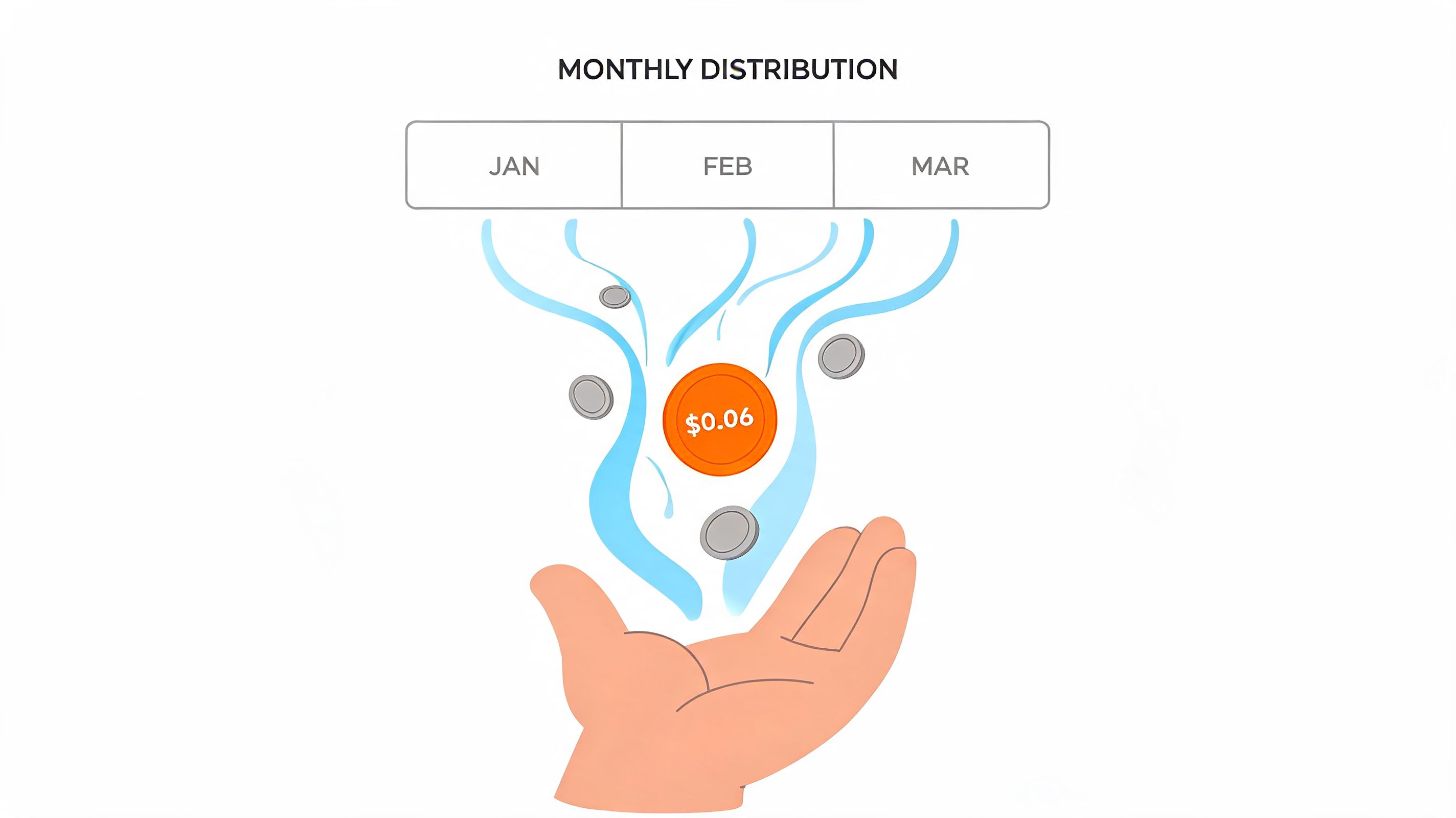
The headline attraction is the fund’s monthly distribution, and the most recent distribution listed for the fund was $0.0600 per unit. That sounds straightforward. Own units, receive cash. But a monthly distribution is not automatically the same thing as sustainable income.
The key question most fund summaries skip
When a fund pays you, the payment can come from different sources. Ideally, those distributions are supported by income generated inside the portfolio, such as dividends, bond interest, and realised gains. The problem starts when a fund regularly pays more than the portfolio earns.
That’s where return of capital enters the conversation. Return of capital means part of what you receive may be your own money coming back to you. That isn’t automatically bad in every context, but it becomes a concern if investors mistake it for durable income.
If you rely on distributions to cover monthly bills, “cash received” and “income earned” are not the same thing.
Public concern about this issue isn’t new. As far back as 2018, one analysis raised concern about the fund’s “continued erosion of net asset value, as the fund pays out more than it earns” in a piece on distribution sustainability and NAV erosion.
That sentence matters because it gets to the heart of the budgeting problem. If principal is being chipped away to maintain the appearance of attractive income, the cash flow may feel reliable in the short term while becoming less durable over the long term.
What to watch instead of just yield
A lot of investors compare funds by yield alone. That’s too narrow. A better checklist is:
- Distribution source: Is the cash mainly supported by portfolio income, or does return of capital play a meaningful role?
- NAV trend: Is the fund maintaining capital reasonably well, or does the asset base appear to be under strain?
- Economic sensitivity: Could a shift in rates or credit conditions hurt both the value of the fund and its future payout capacity?
If you want a plain-English refresher on what dividend yield does and doesn’t tell you, this guide on how to calculate dividend yield is worth reading before comparing income products.
Performance signals that deserve context
The holdings inside the fund showed strong growth metrics as of January 31, 2025. According to YCharts fund data for CI High Income Fund, the underlying holdings posted one-year EPS growth of 27.24%, three-year EPS growth of 17.40%, and five-year EPS growth of 12.84%. The same source lists sales per share growth of 11.58% over one year and 10.69% over three years, plus three-year operating cash flow growth of 16.91%.
Those figures are encouraging because they suggest the companies inside the portfolio have shown earnings and cash-flow strength. Still, those growth metrics don’t answer the distribution sustainability question by themselves. A fund can own solid businesses and still structure its payout in a way that deserves closer scrutiny.
So the right mindset is cautious, not cynical. The fund may be useful. The distribution may be valuable. But if you’re using it as a monthly income source, you want evidence that the cash flow is more than polished marketing.
Analyzing the Fees and Associated Risks
Fees matter because every dollar paid in fund costs is a dollar that doesn’t stay invested for you. They also matter more in income investing, where investors often compare products partly on how much cash reaches their account after expenses.
What the fee numbers mean
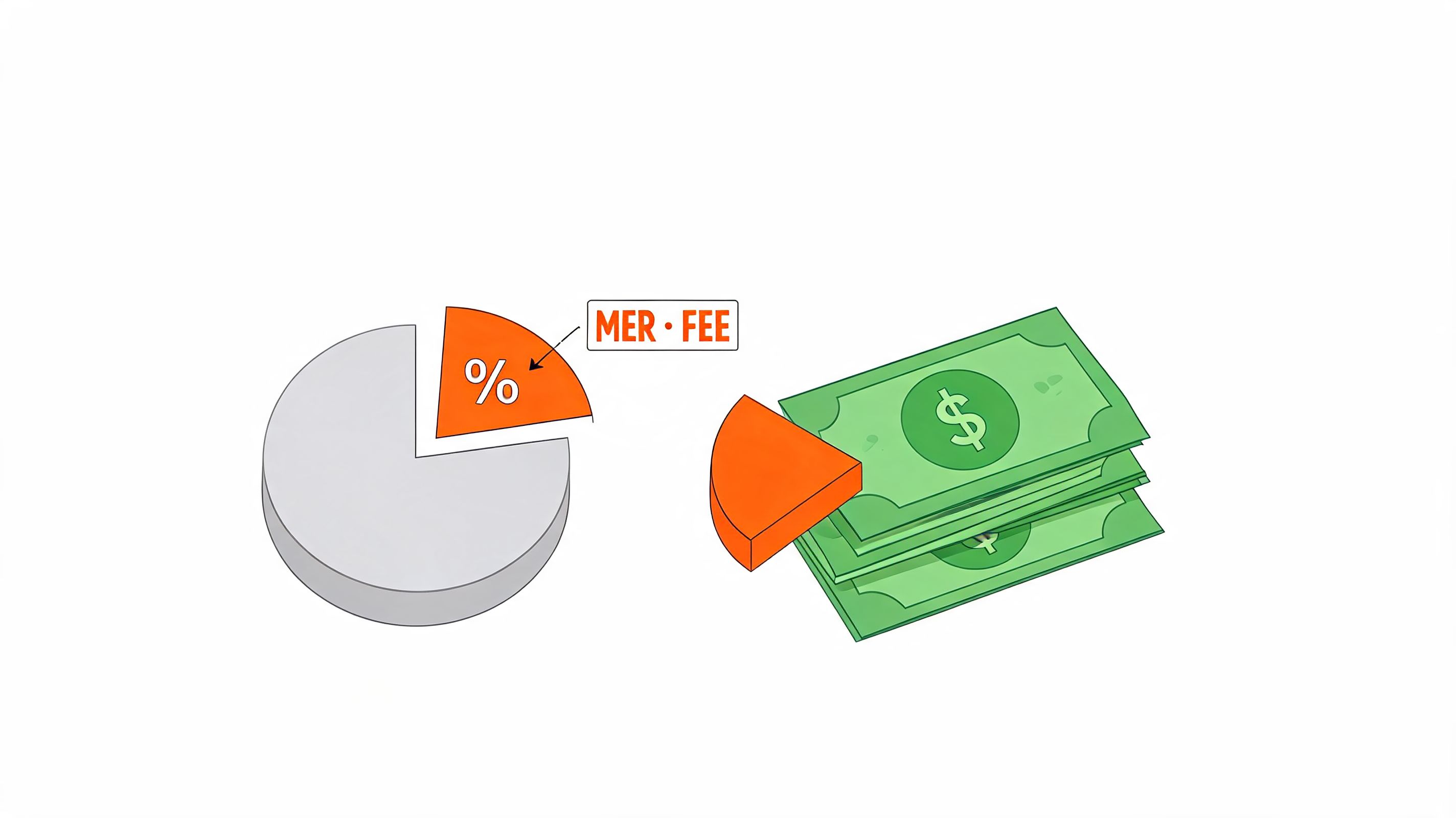
For the fund, the management fee is 0.75% and the management expense ratio is 0.25% as of March 31, 2025. Those costs make it a cost-efficient option for many investors, especially compared with some actively managed funds that charge much more.
A lot of people mix up these labels, so here’s the simple version:
- Management fee is what the manager charges for running the fund.
- MER reflects ongoing expenses expressed as a percentage.
- Series matters when you buy a mutual fund, so always check the specific version you’re considering.
If you’re holding income funds in registered accounts, understanding the role of tax sheltering also helps. This explainer on what tax deferral means gives useful context for why account location can matter alongside fees.
The risks aren’t hidden, but they are easy to underestimate
The fund is described as low-to-medium risk, but that label can lull people into thinking the ride will be gentle. In reality, the portfolio is sensitive to several forces at once.
Here are the main ones:
- Interest rate risk: because the fund owns bonds, rising rates can reduce bond prices.
- Equity market risk: dividend-focused stocks can still drop sharply in rough markets.
- Credit risk: corporate bonds depend on companies staying financially healthy.
- Policy rate sensitivity: changes in Canadian policy rates can affect both the stock sleeve and the bond sleeve.
That last point is especially important. The fund’s performance is sensitive to shifts in Canadian policy rates, which means investors using it in RRSP or RRIF accounts need to pay attention to how rate changes may affect both fund value and distributions.
A balanced income fund is not a savings account with nicer branding. It’s a market investment that happens to distribute cash.
There’s also a broader lesson here. Investors sometimes treat income products as automatically safer than growth products, then only discover the downside after a period of losses. If you want a reminder of how things can go wrong when risk isn’t fully understood, even in income-oriented structures, this overview of UDF V investment loss recovery shows why due diligence matters before chasing yield.
Is the CI High Income Fund Right for Your Goals
Whether ci high income fund fits you depends less on the fund itself and more on what job you need it to do.
For some investors, it can serve as an income-producing piece of a broader portfolio. For others, it may create too much uncertainty if the goal is near-perfect stability. The mismatch usually comes from expectations, not from the fund being inherently good or bad.
It may fit if your priority is usable cash flow
This type of fund may be worth considering if you want:
- Regular distributions to support spending needs
- A diversified package instead of picking individual dividend stocks and bonds yourself
- An RRSP-eligible fund that can sit inside registered accounts
- A middle-ground approach between all-equity growth and plain fixed income
Retirees often look at funds like this to supplement pension income. Pre-retirees may use them to test what a portfolio-generated cash flow stream feels like before fully leaving work. Some younger investors also use an income fund as one sleeve of a larger plan, while keeping other assets focused on growth.
It may not fit if stability is your top requirement
This fund may be a poor fit if you need your account value to remain highly steady month to month. It may also disappoint investors who mainly want aggressive long-term growth and don’t care much about current income.
The Canadian focus matters too. The fund’s performance is sensitive to Canadian policy rates, so investors should be aware that changes from the Bank of Canada can affect both portfolio value and distributions. If you’re using the fund for income inside RRSP or RRIF accounts, that sensitivity becomes more than a market detail. It can affect your spending plan.
If you’re still building retirement savings through workplace contributions, it also helps to understand how employer programs fit beside personal investing. This guide on what RRSP matching is can help you decide where this kind of fund belongs in the bigger picture.
A simple fit check
Ask yourself these questions:
- Do I need income now, or am I mostly chasing long-term growth?
- Can I tolerate periods when both stocks and bonds are under pressure?
- Am I comfortable monitoring whether distributions are sustainable?
- Would I still hold this fund if the monthly payment looked less attractive for a while?
If you answer yes to the first and third questions, and you’re comfortable with some market movement, the fund may deserve consideration. If your honest answer is “I mainly want something that never drops,” you’re probably solving for a different product.
How to Track Your Investment's Cash Flow
Buying an income fund is the easy part. Living with it is the actual task.
You can usually purchase a mutual fund like this through a financial adviser, a bank, or a brokerage platform that offers mutual funds. But once the units are in your account, you still need a practical system for understanding what the distributions are doing for your monthly finances.
Track the money like income, not like background noise
A lot of investors receive monthly distributions and barely think about them. The cash lands in an account, sits there, or gets mixed with other deposits. That makes it hard to answer basic questions later.
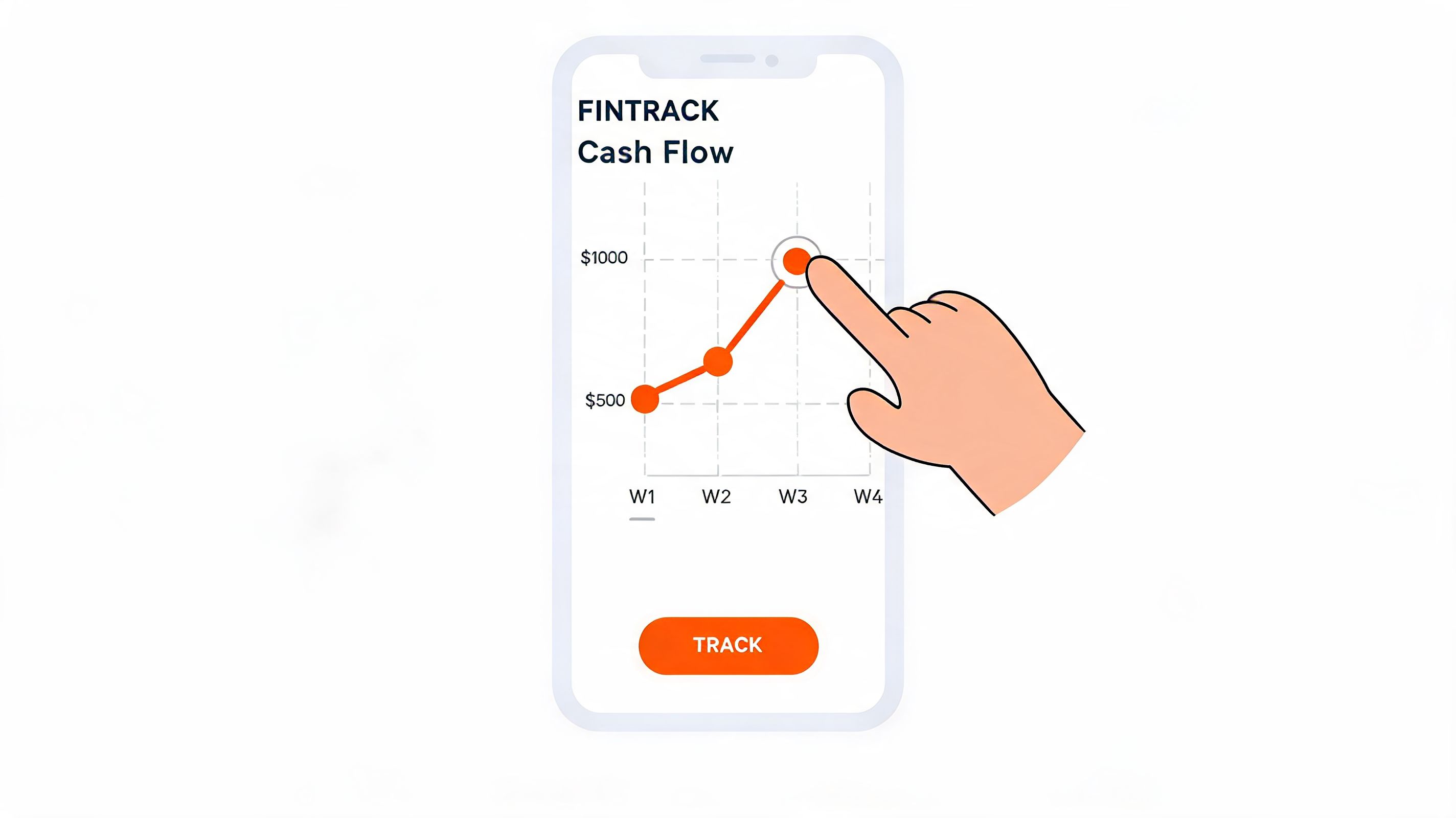
A better habit is to track investment cash flow deliberately:
- Label each distribution clearly so you know it came from an investment, not employment income.
- Review the monthly pattern to see whether the amount is stable enough for budgeting.
- Separate spending from reinvestment so you know whether you’re using the income or just watching it recycle.
If you already use a budgeting system, treat fund distributions as a distinct income category. That keeps your budget honest. You’ll see whether investment income is helping cover expenses or whether it only looks helpful because principal is shrinking in the background.
Use a simple monthly review
Once a month, check three things:
| Question | Why it matters |
|---|---|
| Did I receive the expected distribution? | Confirms cash flow timing |
| Did I spend it, save it, or reinvest it? | Shows whether the fund is serving its intended purpose |
| Has my account value stayed aligned with my plan? | Keeps income and capital preservation in view together |
For general budgeting discipline, a good monthly routine matters as much as fund selection. This guide on using a monthly bill tracker can help you slot irregular and investment-related cash flow into the rest of your household plan.
The core idea is simple. Don’t judge an income fund only by what it pays. Judge it by how well that payment supports your real life without undermining your long-term goals.
If you want to put that into practice, Fintrack can help you see investment distributions alongside the rest of your monthly cash flow, budget categories, and savings goals, so you can tell whether income from a fund is improving your plan or just adding noise.