Payday arrives, rent is covered, and you've bought groceries. Then a car repair, an annual subscription renewal, and a few takeout orders leave you wondering where the rest went. You haven't made a major purchase, but there's little left for anything you wanted to save towards.
The problem isn't necessarily discipline. Your personal budget categories might not match how you spend. A budget that includes fuel but forgets tires, or tracks groceries and restaurant meals together, makes it harder to tell what needs adjusting.
Useful categories do more than name expenses. They help you decide what to protect, what to reduce, and what to prepare for. Each category below includes what belongs, the costs people forget, and a practical way to set a limit without borrowing someone else's percentages.
Before assigning money, choose a consistent starting point:
- Use available income. Build your spending plan around money you can use, rather than your salary before deductions.
- Give each expense one home. Insurance can sit under housing, transportation, or insurance, but don't count the same premium twice.
- Separate spending from reserves. Money saved for a future bill isn't available for everyday purchases.
Individual and household budgets will split these lines differently. Shared groceries might need a household limit, while each partner keeps a separate personal allowance. Start with the categories that reflect your obligations, then add detail only where it helps you make a decision.
1. Housing (Rent or Mortgage)
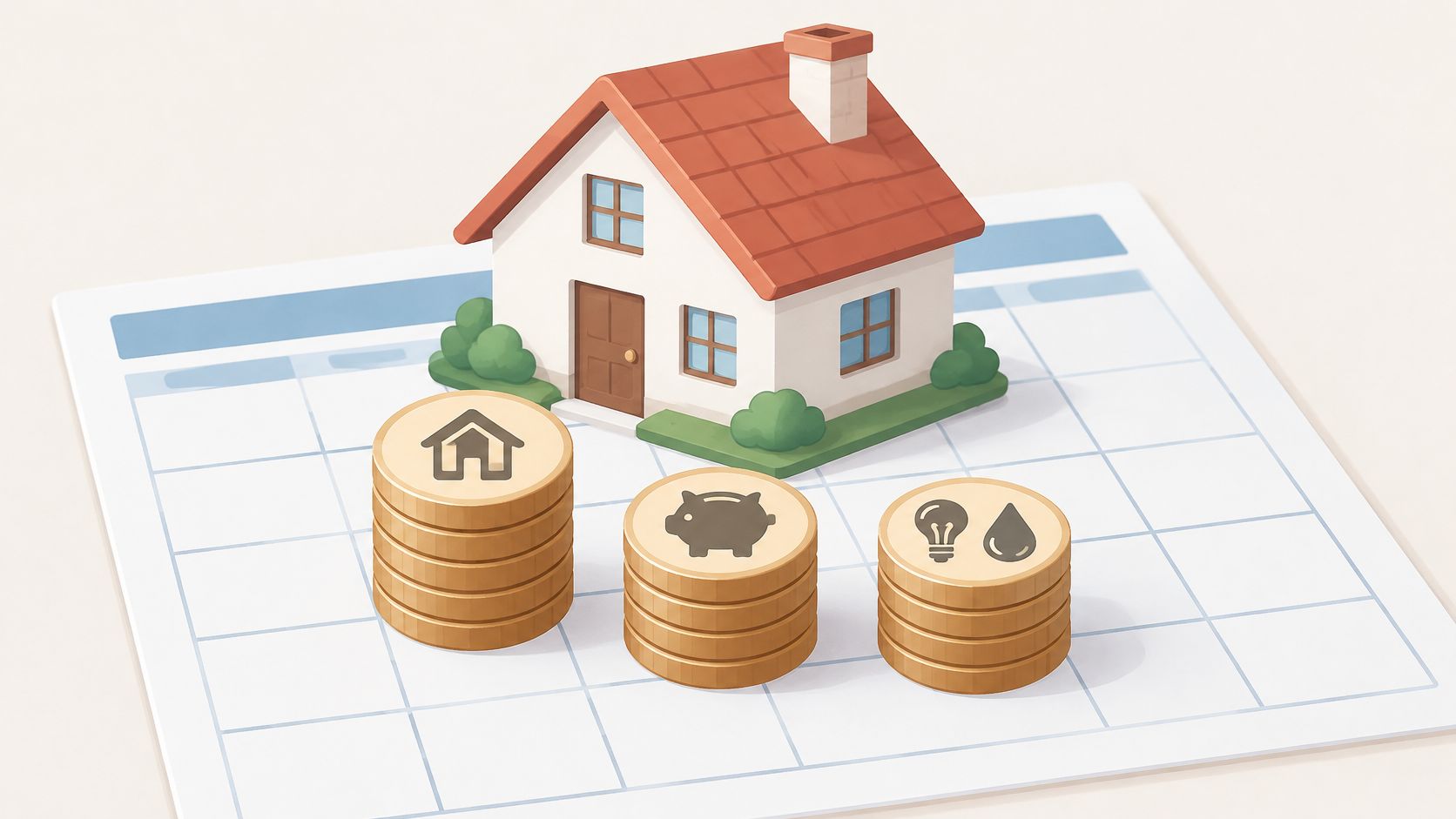
Housing starts with your payment, not ends with it. Include rent or mortgage payments, property taxes, condo or homeowners association fees, and maintenance. Keep related insurance and utilities visible, even if you assign them to separate categories.
Housing deserves this attention. Los Angeles-area households spent an average of $33,126 on housing in 2023–24, representing 36.6% of total household expenditures, according to the U.S. Bureau of Labor Statistics.
Set a limit from your remaining obligations
A housing percentage can flag pressure, but it can't tell you whether your remaining income covers childcare, commuting, or medical costs. Use this guide to deciding how much to spend on rent alongside your actual bills.
Say a Toronto renter records rent under housing and keeps utilities and tenant insurance separate. A Phoenix homeowner might split the mortgage, property taxes, and association fees so an escrow payment doesn't hide the underlying costs.
- Check bundled payments. Don't add property tax again if it's already included in your mortgage payment.
- Fund irregular costs. Reserve money for insurance renewals, repairs, and taxes paid separately.
- Review before committing. Recalculate affordability at lease or mortgage renewal.
Practical rule: If housing leaves too little for essentials, cutting small treats won't solve the whole problem. Compare larger options, including a different location or household arrangement, before making another long-term commitment.
2. Transportation
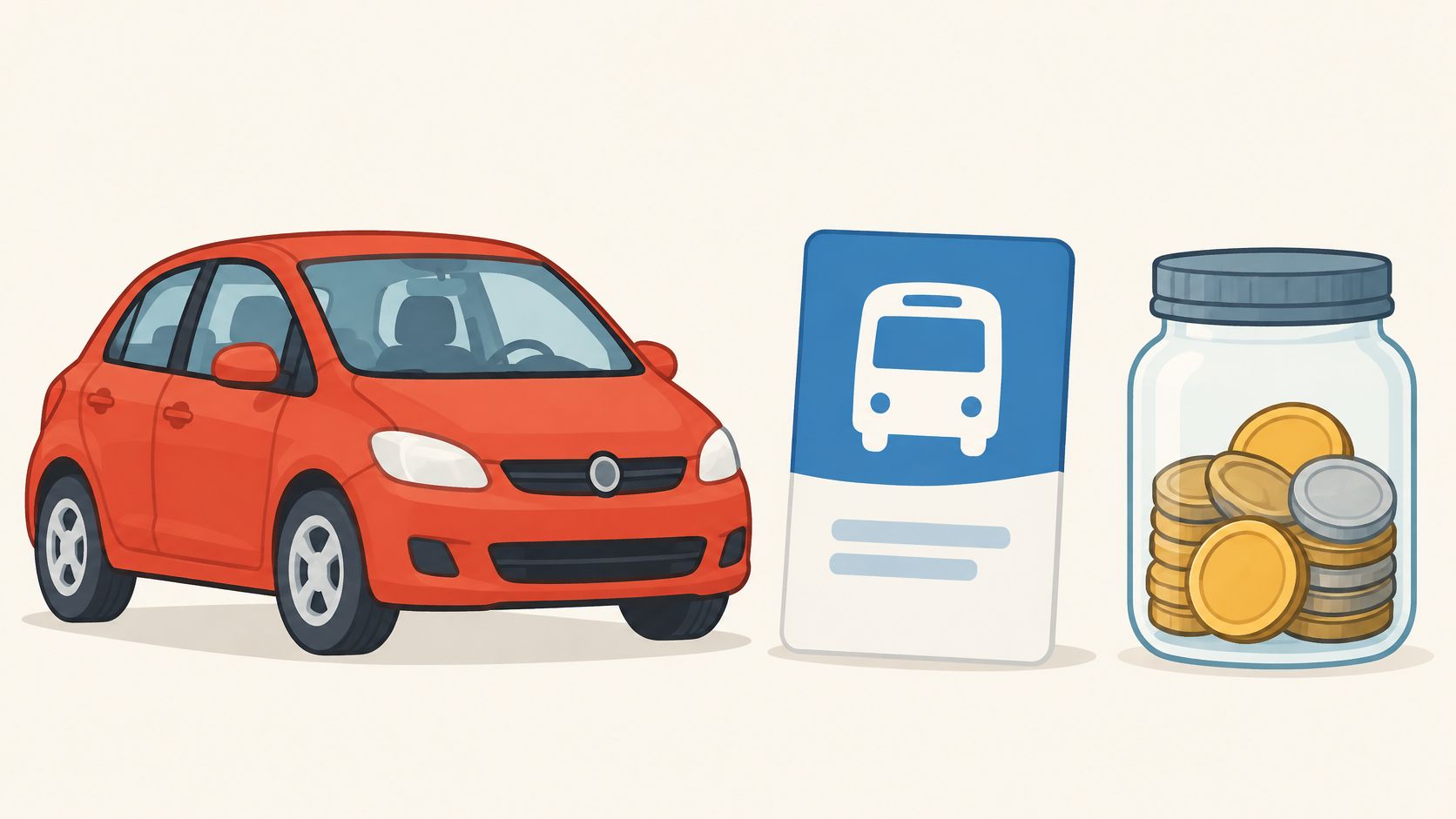
A Calgary commuter who pays for fuel, parking, and transit needs to compare the combined cost, not just the price of a transit pass. Driving less might reduce fuel spending without removing the car payment or insurance premium.
Include vehicle payments or lease costs, fuel, transit, rideshares, parking, tolls, insurance, registration, and maintenance. If you put vehicle debt or insurance elsewhere, keep a note so you can still calculate your full transportation cost.
Budget for ownership, not just driving
Tires, brakes, and scheduled servicing aren't unusual expenses. Their timing varies, but you can prepare for them using service records, your vehicle's maintenance schedule, and current estimates.
- Build a maintenance reserve. Set money aside regularly rather than waiting for a repair bill.
- Annualize renewals. Spread registration and other predictable annual costs across your monthly budget.
- Compare complete alternatives. Include occasional rentals or rideshares when considering whether to give up a vehicle.
- Review insurance at renewal. Compare equivalent coverage, deductibles, and exclusions rather than premiums alone.
An Ohio household could keep a dedicated tires-and-maintenance balance that carries forward between months. An unused balance isn't spare spending money; it's preparation for the next service.
Set your transportation limit around necessary travel first. Then decide whether convenience purchases, such as rideshares when transit is available, deserve their own flexible subcategory.
3. Groceries
Keep groceries separate from dining out. Otherwise, a month of extra restaurant meals can look like an unexplained increase in the cost of feeding yourself at home.
Groceries include ingredients, snacks, and food bought for home. Cleaning supplies and toiletries can stay here for simplicity, but split them out if supermarket receipts are making your food total difficult to interpret.

Geographically relevant comparisons are more useful than a universal allowance. Statistics Canada's Survey of Household Spending dataset distinguishes spending categories and provides regional information, along with average and median expenditure measures.
Start with your receipts
Review recent spending before setting a limit. The guide to average grocery costs for one person can provide context, but your household size, dietary needs, and access to shops should drive the final amount.
- Plan around what's already there. Check the fridge, freezer, and cupboards before writing a shopping list.
- Separate stock-ups from routine shops. A bulk purchase can distort a short review period.
- Make convenience deliberate. Prepared ingredients may be worth buying if they replace a more expensive takeout order.
Say a Vancouver professional plans dinners around overlapping ingredients and keeps a backup freezer meal. That's more workable than setting an aggressive grocery limit while assuming every meal will be cooked from scratch.
Reduce waste before cutting food you need. A cheap basket isn't helpful if you can't turn it into meals you'll eat.
4. Dining Out and Takeout
Restaurant meals, coffee stops, delivery orders, tips, and service fees belong together. Budget the amount you pay, not the menu price.
This category is a decision about convenience and enjoyment, not a test of character. A realistic allowance can include lunch with colleagues or a favourite café without letting those purchases displace other priorities.
Choose what you want to preserve
Say a Montreal couple wants to keep a regular restaurant outing. They could protect that plan and reduce unplanned delivery orders instead of applying a blanket ban to every meal out.
- Track the complete purchase. Include delivery charges, tips, and any related fees.
- Use a short spending window. A weekly allowance can make course corrections easier than waiting until month-end.
- Note the reason. Distinguish social plans from purchases caused by an empty fridge or a difficult workday.
- Keep an easy alternative. A ready-to-heat meal is useful when cooking isn't realistic.
Don't cut every food expense at once. Decide which meals are worth paying for, then make the less valuable purchases easier to skip.
Set the limit after protecting groceries and required bills. If you repeatedly exceed it, look at the pattern before lowering it again.
A remote worker who enjoys a café visit may prefer to keep that habit and stop ordering delivery. Someone else might make the opposite trade-off. The useful limit is one that reflects your priorities and still fits your income.
5. Utilities, Phone, and Internet
A Winnipeg household shouldn't treat a mild-weather heating bill as its normal year-round cost. An Austin household needs the same caution with electricity during air-conditioning season.
Include electricity, natural gas or other heating fuel, water, sewer, waste collection, internet, and mobile service. Record only charges you pay directly; don't add services already included in rent or condo fees.
Smooth seasonal costs without ignoring them
Review a complete billing cycle across the seasons, then calculate a monthly funding amount. Leave the unused balance in reserve during lower-cost months so it's available when bills rise.
- Check the billing period. A bill covering a longer period can look like a price increase when it isn't.
- Track promotion end dates. Record when internet or phone discounts expire.
- Separate service from financing. A mobile bill may contain both a plan charge and a device payment.
- Record due dates. Match bill timing to your pay schedule.
Set limits differently for essential consumption and optional upgrades. You may have little immediate control over heating needs, but you can reconsider a faster internet tier or unused mobile data.
If you use equalized utility billing, check account statements for adjustments. A steady payment doesn't necessarily mean your consumption or outstanding balance stayed the same.
For manual tracking, enter the bill when it arrives and mark whether it's paid. That keeps the amount owed visible without confusing it with money already withdrawn.
6. Insurance and Health Costs
Give premiums and out-of-pocket health costs separate lines. A fixed insurance payment doesn't tell you how much you'll need for prescriptions, dental work, or a deductible.
Include life and disability coverage where applicable, plus home, tenant, and auto premiums if you haven't placed them elsewhere. Keep a clear distinction between paying for protection and paying for care.
Use the costs your coverage leaves to you
For a Canadian household, review provincial or territorial coverage alongside any workplace or private extended health plan. Budget for the services, prescriptions, dental care, and vision costs you expect to pay yourself.
For a U.S. household, review premiums, deductibles, copayments, coinsurance, and prescription costs under the actual plan. Don't assume every appointment or provider receives the same coverage.
- Use plan documents. Check coverage details before assigning money to an expected treatment.
- Reserve for annual premiums. Fund renewals gradually rather than treating them as emergencies.
- Track reimbursements separately. Record what you paid and what was repaid without counting the same expense twice.
- Account for payroll deductions. Don't subtract a premium again if your budget starts with take-home pay that already excludes it.
Say a Canadian family expects dental work that its extended plan won't fully reimburse. A dedicated reserve makes the remaining cost visible before booking.
A U.S. freelancer can similarly build a deductible reserve based on their coverage and available cash. Keep that reserve distinct from routine prescriptions so recurring spending doesn't consume it.
7. Debt Payments
List every debt with its balance, interest rate, minimum payment, and due date. Then distinguish required payments from extra money directed towards repayment.
This category can include credit cards, student loans, personal loans, and lines of credit. Mortgage and vehicle payments can remain under housing and transportation, provided you don't include them again here.
Avoid counting credit card spending twice
If you record groceries when you buy them with a credit card, paying that card bill is a transfer, not another grocery expense. Repayment of an older carried balance needs separate treatment so you can see how much current income goes towards past borrowing.
- Protect minimum payments. Include required amounts before assigning optional spending.
- Choose an extra-payment strategy. Directing extra money to the highest-rate debt reduces interest cost compared with paying the same extra amount towards a lower-rate balance, assuming other terms are equal.
- Watch interest and fees. A falling balance alone doesn't show the full borrowing cost.
- Schedule reminders. Leave time for payment processing.
Say a Toronto household keeps minimum payments funded across its cards and directs available extra cash towards the highest-rate balance. A Chicago graduate might separate required student loan payments from voluntary extra payments.
Keep it clear: Debt repayment is progress, but it isn't new spending on the things you originally borrowed to buy.
Set an extra-payment amount you can sustain without repeatedly borrowing again for predictable bills. A maintenance reserve and a debt plan should work together, not compete without a clear decision.
8. Savings and Emergency Fund
Savings needs an assigned amount, not a promise to move whatever remains. Separate emergency reserves, retirement contributions, a down payment, and planned travel so their purposes stay visible.
Predictable irregular bills aren't emergencies. Annual insurance, gifts, and scheduled servicing need sinking funds; an emergency reserve serves a different purpose.
Give each reserve a job
Use these distinctions when setting targets:
- Sinking funds. Save towards an expected cost, using the amount still needed and the time before payment.
- Emergency reserves. Prepare for unplanned essential costs or an interruption to income.
- Longer-term goals. Assign a target and contribution schedule to plans such as a home purchase or retirement.
An Edmonton couple could keep emergency savings separate from a down payment fund. An Oregon single parent might begin with an achievable starter reserve before increasing contributions towards a larger target.
The emergency fund calculator guide can help you translate essential expenses into a target. Your employment stability, dependants, insurance coverage, and access to other support should inform the amount.
Set automatic transfers around payday if that works with your cash flow. If income varies, choose a contribution rule that leaves required bills funded rather than forcing transfers you'll immediately reverse.
Also check payroll deductions before adding retirement contributions to a take-home-pay budget. Track existing contributions for visibility, but don't subtract them from available income twice.
When a goal changes, update the contribution deliberately. Don't let a paused transfer become a permanent cancellation.
9. Subscriptions and Recurring Charges
Annual software renewals and monthly streaming charges belong on the same recurring-charge list. Their billing schedules differ, but both commit future income.
Include entertainment subscriptions, paid apps, memberships, cloud storage, and other repeating services. Keep essential phone and internet service under utilities unless you deliberately choose another consistent arrangement.

Record the renewal, not just the last charge
A useful subscription list includes the service, billing frequency, renewal date, payment method, and cancellation status. Review older statements too, since a recent statement won't reveal every annual charge.
- Fund annual renewals. Save gradually for services you intend to keep.
- Track trials. Add a reminder before the trial ends.
- Check overlap. Compare services that perform the same job.
- Confirm cancellation. Keep the confirmation and check for later charges.
Say a Calgary household pauses an unused streaming service but keeps the one everyone watches. A New York freelancer might retain essential software and build a reserve for its annual renewal.
The subscription management guide can help you organise that review without relying on memory.
Usage matters more than a low individual price. Keep services that justify their place in your budget and remove those you wouldn't choose again today.
Before switching to annual billing, consider the commitment. A lower equivalent monthly cost isn't useful if you stop using the service and can't recover the payment.
10. Personal and Discretionary Spending
A budget should leave room for enjoyment when income allows. Hobbies, entertainment, gifts, optional clothing, and small treats deserve a visible allowance rather than a vague miscellaneous category.
But personal doesn't always mean optional. Required work clothing, basic hygiene products, and necessary childcare need essential funding, even if a retailer groups them beside discretionary purchases.
Separate priorities from leftovers
Use the guide to discretionary spending to distinguish flexible wants from costs you can't reasonably skip.
- Set an allowance. Choose an amount after required bills, reserves, and priority goals.
- Prepare for gifts. Keep a sinking fund for birthdays, holidays, and other expected occasions.
- Split meaningful subcategories. Separate hobbies from clothing if that distinction changes your decisions.
- Keep a modest buffer. Allow for small omissions without hiding recurring overspending.
Say a Halifax couple gives each partner a personal allowance alongside shared entertainment spending. They can make different purchases without having to negotiate every small choice.
A Seattle student could separate hobby spending from gifts, making it easier to save ahead for celebrations. If the total exceeds available money, they can choose what to postpone rather than discover the shortfall afterwards.
An allowance isn't permission to ignore the rest of the budget. It's money you've deliberately made available after considering your other commitments.
Review what you enjoyed, not just what you spent. A category works better when you preserve purchases that matter and reduce the ones you barely remember.
The 10 Personal Budget Categories at a Glance
| Category | Typical Stability | Commonly Forgotten Costs | Best Customization Tip |
|---|---|---|---|
| Housing (Rent or Mortgage) | Usually stable month to month | Utilities, maintenance, insurance, property taxes, and condo or HOA fees | Include every housing cost and set aside money monthly for annual bills and maintenance |
| Transportation | Mix of fixed and variable costs | Repairs, tires, registration, parking, and insurance changes | Divide annual costs by 12 and keep a separate maintenance line |
| Groceries | Variable; monthly averages help | Cleaning supplies, household staples, and frequent small trips | Track groceries separately from dining out and plan meals from a shopping list |
| Dining Out and Takeout | Variable and habit-driven | Delivery and service fees, tips, coffee, and small frequent purchases | Set a weekly limit and log purchases to spot patterns |
| Utilities, Phone, and Internet | Recurring, with seasonal utility changes | Expired promotions, equipment fees, and plan add-ons | Average seasonal bills across the year and review phone and internet plans regularly |
| Insurance and Health Costs | Recurring, with irregular premiums and out-of-pocket costs | Deductibles, copays, prescriptions, dental care, and annual premiums | Divide annual premiums by 12 and budget separately for health expenses |
| Debt Payments | Recurring, but rates or payments may change | Interest, fees, and extra payments beyond the minimum | Track each balance, interest rate, and minimum payment together |
| Savings and Emergency Fund | Flexible and goal-dependent | Savings contributions omitted when treated as leftover money | Create separate goals and automate transfers on payday |
| Subscriptions and Recurring Charges | Recurring, often monthly or annual | Forgotten trials, annual renewals, and price increases | Review charges quarterly and note renewal and trial end dates |
| Personal and Discretionary Spending | Flexible and variable | Gifts, holidays, and unplanned purchases | Set a monthly limit and use a sinking fund for seasonal spending |
Make These Categories Yours, Then Let Them Run
A category only helps if it changes a decision. Merge lines that don't affect what you do, and split totals that hide costs you need to manage.
Add separate categories for expenses such as childcare, pet care, education, or charitable giving when they matter to your household. If you're self-employed, keep business costs and money reserved for taxes apart from personal spending.
Build limits from spending you can verify
Review three months of transactions to set a starting baseline. Then check further back for annual renewals, seasonal bills, school expenses, and other irregular costs.
Use a simple setup process:
- Record your baseline. Sort transactions consistently, including cash purchases and shared expenses.
- Add irregular obligations. Set aside money for expected bills and note when they're due.
- Fund necessary costs first. Account for housing, food, transport, healthcare, and required payments.
- Choose your trade-offs. Divide what remains between savings, extra debt payments, and flexible spending.
- Check the total. Planned spending and saving must fit the income available.
If the numbers don't fit, don't force the plan to balance with implausibly low grocery or utility limits. Find the actual gap, reduce flexible commitments where possible, and consider whether larger fixed costs need to change.
A budget can show whether the problem is spending organization or income that falls short of basic costs. A United Ways of California report covered by ABC7 found that 35% of California households didn't earn enough to cover basic living expenses. Categories can make a shortfall visible, but they can't eliminate it.
Review the decisions, not every detail
Compare actual spending with your plan during the month. When a category runs high, identify whether a bill was missing, a price changed, the limit was unrealistic, or the purchase no longer feels worthwhile.
Fintrack's Budget Planning tools let you set spending limits by category and track progress in real time. You can link budgets to savings goals, including pre-built emergency fund and vacation templates. Velocity alerts warn you when your spending pace suggests you'll exceed a budget before month-end.
Keep the first version manageable. Set categories and realistic limits, then use the plan this month. Revise any line that doesn't reflect your actual costs or choices.
Fintrack offers category budgets, savings goals, and manual expense tracking. Visit Fintrack to organize your spending categories and track this month's plan against what you spend.